“If the room doesn’t exist, build it.”
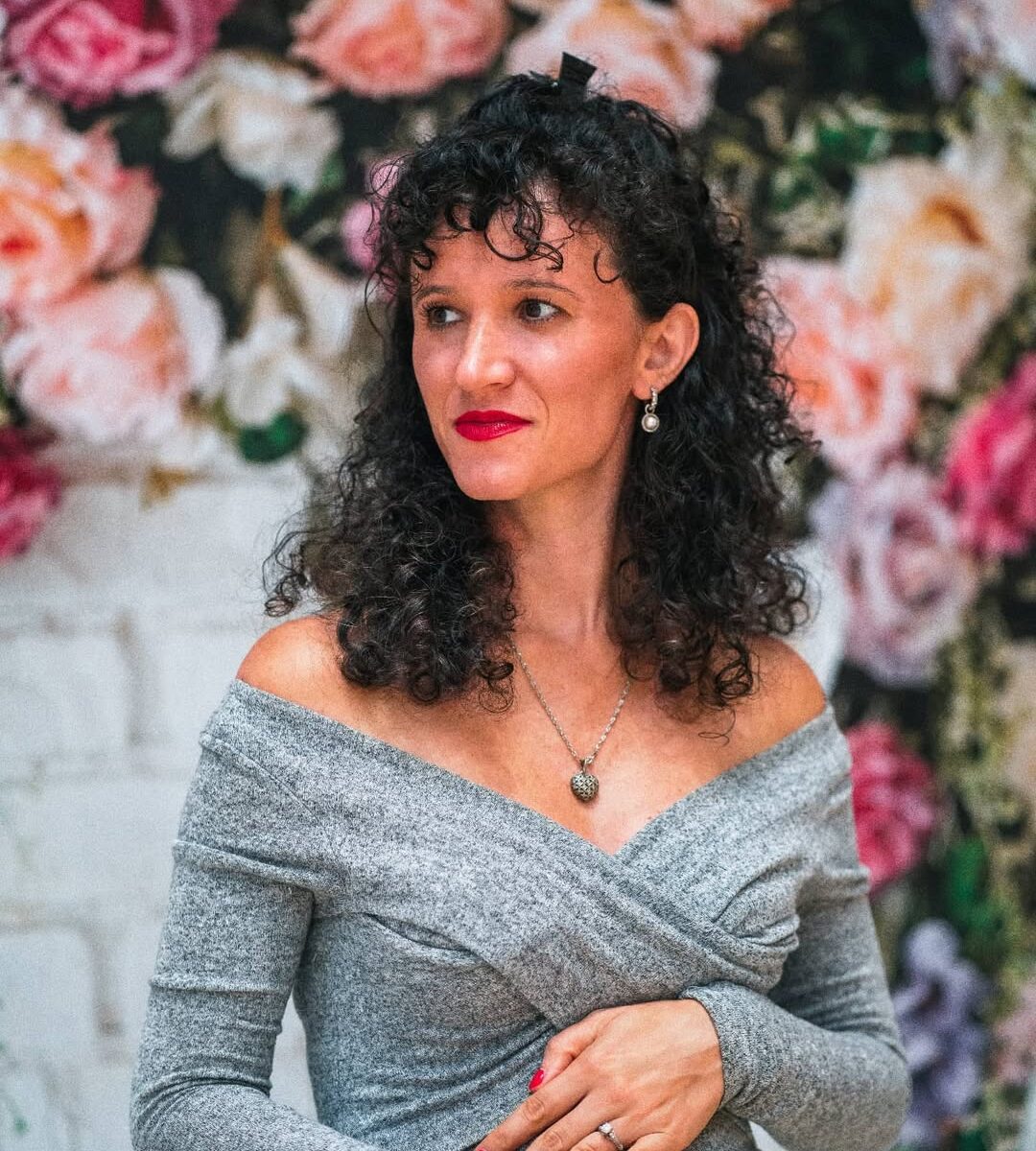
That belief sits at the heart of NERD Productions and the woman who founded it, Milana Karaica. In an industry that often struggled to reflect the diversity of the world it was speaking to, Milana set out to create something different: a space where creativity is shaped by many voices, backgrounds, and experiences.
Over the years, NERD has grown into more than a production company. It has become a community, a support system, and a platform for artists who might not have otherwise been given the opportunity to be seen or heard.Through HER Vision, HER Voice, and HER Future, Milana Karaica reflects on the beginnings of NERD, the values that shaped it, and the legacy she hopes to leave for the generations that will follow.
Part I: HER History
1. Before starting NERD Productions, what was the gap you saw that others weren’t acknowledging in the industry and thus gave you the idea to create NERD? What did you experience personally that made you want to build something different?
I think having grown up in advertising, it was a real eye opener that we live in such a multicultural and diverse city. It’s one of the most diverse cities in the world, yet the advertising industry was the least diverse thing that I’d ever experienced. People generally tend to come from the same social and economic backgrounds, same ethnicity, same experiences, which doesn’t make for a very healthy or very interesting storytelling. If we all align and have the same thinking, it’s very difficult to craft something that is extraordinary or stands out or has a wide appeal. And since we’re advertisers and need to be talking to a range of audiences on an authentic level globally, it never really made sense in my eyes that the industry was that way.
If you come from a different background, ethnicity, or sexual orientation, anybody that didn’t fit those stereotypes, it’s very difficult to break into the industry. The doors would simply close before they’ll even manage to set their foot in.
For me, starting NERD was something quite revolutionary – I wanted to create a space where opportunities were open for everyone, regardless of your circumstances, your background. I wanted a workplace where people feel safe going into work, where they feel that they can come in and just be their actual selves. I wanted to create that space, but I also wanted to bring a diverse experience and diverse storytelling and techniques to the table. I think that’s when craft really wins – where we can make things that stem from experiences all over the world. And you know, that’s also something that feels very London to me. It feels very fresh and unique. Years later, after having built NERD, we are continuously working on how we present ourselves and being forward thinking, trying to stay relevant as much as we can by constantly asking ourselves questions like “What is the future going to be like? Who do we need to talk to now? What’s next?” It never really stops. I think having been here for just over nine years – ten years this August – it feels like just by being ourselves, we’re doing something right.
2. How do you build something that doesn’t just survive, but shifts culture?
Just by being my authentic self. You know, for me, as the mama hen of NERD, I think it’s always really important to just encourage everybody as much as I can to be themselves, to be authentic, and to be open. It’s also about being inclusive and tolerant. I think when you attract a group of people from many different beliefs and backgrounds, you also have to employ this kind of feeling of safety but tolerance towards other people’s beliefs and know how they feel because it might be the complete polar opposite of the scale.
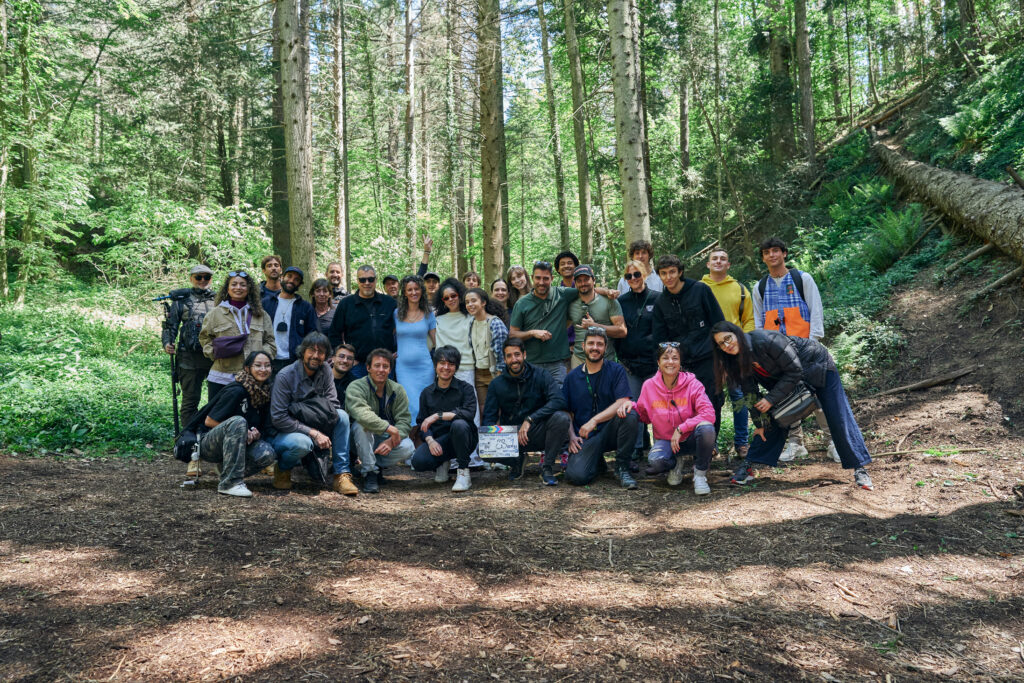
At NERD, we’re here to open each others’ minds and teach each other, and work in collaboration. We’re always crafting and creating, and I think it’s important for us to build strong bonds and support each other and really elevate one another so I do my best that everyone at NERD feels that. There’s a lot of learning and support here. It’s almost like a little creative support group.
3. What conversations happen internally at NERD Productions that audiences never see?
I think we have a lot of conversations – hypothetical ones. Most importantly, it’s about every project that we do and every project that comes in, it’s always kind of taking a step back and seeing how we approach each project in the best possible way. We also talk about who’s the right person for every project, how we help each person, and how we can encourage collaboration in the best ways possible.
I love bringing young talent on board too – it’s important to see how they’ll fit into the puzzle, how we can help elevate them, and how we can create more opportunities for them. I think there’s a lot of conversations that we’re always having about how to improve and how to push boundaries further.
4. How do you create systems that support women and underrepresented creatives long-term, not just for one campaign? What policies or internal practices you’ve built at NERD are you most proud of?
At NERD, we don’t really have any policies outlined where people need to tick boxes when there’s a project. When we want to do something and we want to do it with meaning, things have to come from the heart and not from a piece of paper.
5. What conversations in the industry are still uncomfortable but necessary?
Well, I think cultural shifts are the one thing that always affects us massively. For example, when we had the #MeToo and #BlackLivesMatter movements, you would not believe the amount of outreach that we had for underrepresented artists, directors, and illustrations – especially women and black people.
I think since the rise of the Trump administration, the tables have shifted again and anybody who’s a minority, queer, or a woman are being pushed and sidelined. It’s shocking how in 10 years we were able to gain so much progress but now we’re back to zero. That’s why it’s important for us to keep pushing these conversations because there are partners, agencies, and brands who are very much interested in promoting equality and diversity, especially for the talent that they use in these projects.
It’s always difficult having those conversations openly, honestly, and transparently, but it’s important that we do have them so that we don’t forget and don’t end up making the same mistakes again. There’s a reason we had those movements. We don’t want to be in a situation where progress was something that only happened for a few years and then it’s gone. I think it’s important for us to just keep pushing.
Part II: HER Voice
1. Has becoming a mother changed the way you define success? What emotions did motherhood unlock that now influence how you lead? How has motherhood softened or sharpened your leadership skills?
I think that’s a tricky question, actually. It’s definitely changed so many things for me personally and professionally, because I think being a mother kind of gives you a new perspective and outlook on life about things that really matter and things that are really important and why.
I’ve always had a great deal of empathy. But I think being a mother has unlocked another layer of that in me. Especially since, it feels like I always try to be fair in any situation.
It’s definitely sharpened some of my leadership skills in the sense of that I’ve learned to prioritize things that are of actual importance. I also think that sometimes I take things too seriously, and motherhood has been the thing that’s kind of given me a little bit of a shake and just be like “You know what you don’t have to take yourself so seriously! There are other things that are way more important than whatever this incident is that you’re thinking about.” Motherhood has definitely given me a wider scope and understanding on my priorities as a mother and as a leader.
2. What do you want your children to understand about who you are, beyond your work?
I think the one thing that my children do see a lot of is how much at NERD we all support each other and help one another flourish. There’s a lot of chats and conversations and debates that they’re exposed to, I think that’s a really nice environment for children to see that work doesn’t have to be work and that there’s like a strict separation – that if you do something that you love with the people who enjoy it, it can really be fun and something that you feel is a part of you.
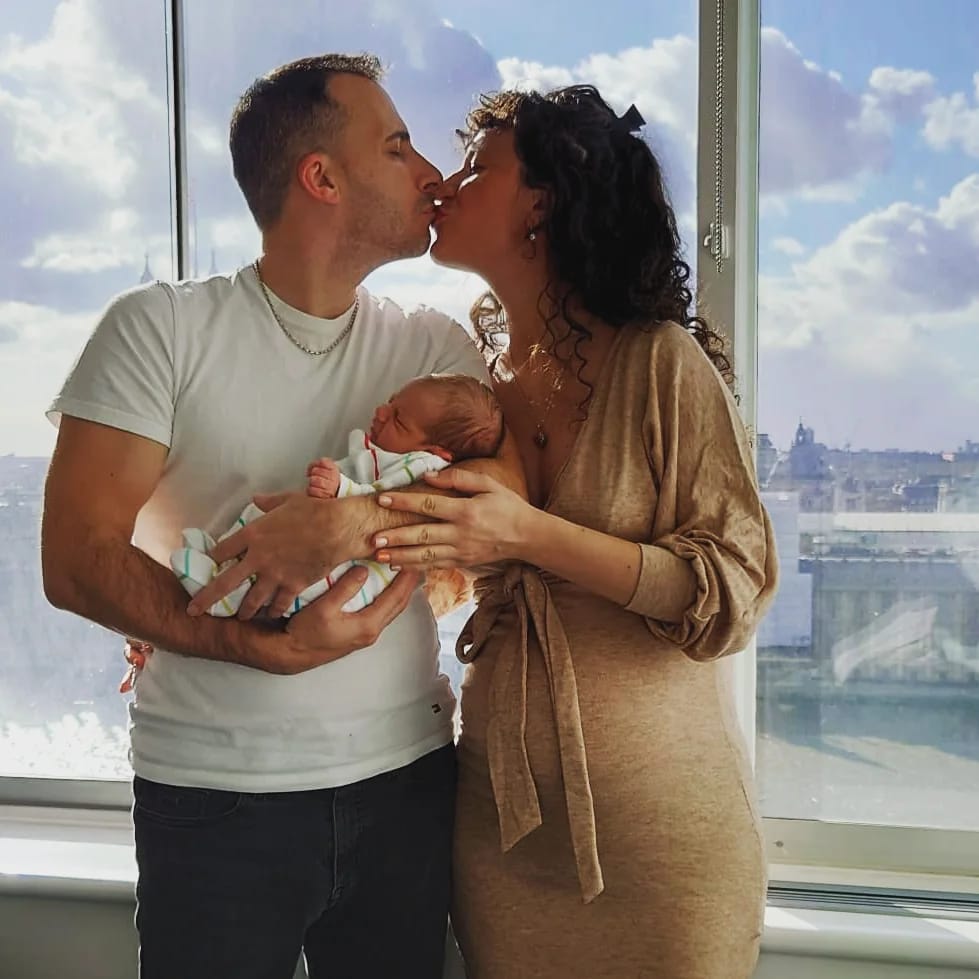
I think my children do see that my work is a part of our lives very much because you know my whole family is kind of entangled into what I do. They see their dad endlessly supporting me and the work that I do, and I would really love that for them because I think there’s no reason why you can’t enjoy your job and the people that you work with.
3. Do you feel the industry allows women to be both powerful and maternal without penalty?
Absolutely not. I think that is the one thing that remains and that’s really sad.
In this industry, women are almost forced out at a certain age because once you have your first child, then god forbid you have the second one. Then, you have to take time out on moments when the kids are sick, when the family needs you. I mean, it’s just not physically possible to be 110% in being both a mother and working on your career.
However, this is why NERD exists and why I started NERD. To create safer spaces for women. We just need to keep pushing for us to see more progress and more support for women in this industry.
4. Is there a side of you the industry doesn’t get to see?
I wouldn’t say so. I think you really have to lead by example. So I think with me, it’s like what you see is what you get and I feel like it has to be that way. If I’m expecting people to present themselves as themselves, then I think I’ve got to be that way too. The good, the bad, the sweet and the ugly – all of it. Because that is what makes us human. And that’s what makes us different and unique to one another. And I’d like to believe that all my NERDs are like that, that we’re all such different creatures.
5. What fears do you still carry, even at this stage of your career?
I think fear of failure is the one thing that still holds me back even now. I think it’s normal for us to have those late night thoughts of like “Oh my god, what if all of this goes away one day” and that feels really scary. And I still get those thoughts even years later. But I think apart from that, I’m learning to accept that everything in life comes and goes, changes, shifts, and evolves.
Part III: HER Vision
1. What does the next chapter of NERD look like? Where is the company heading culturally?
I think for us, it’s being mindful of the many things that affect our company, especially things that focus on inclusivity and diversity. It’s always good to stay aware of what the cultural and political shifts are because those things directly affect NERD and the talent that we represent. We just have to shape, evolve, and shift ourselves accordingly.
2. What legacy systems are you building for people who will lead after you?
I think that’s something that has to come naturally. I think that my passions and desires might not exactly be the same as the next person who leads NERD. I think there has to be room to kind of shift and change with the new generations.
Obviously, if you’re already at NERD, you somewhat align with NERD’s ethos and our passions and advocacies. I think leadership is about looking inside yourself and asking yourself things like “What do I stand for? What do we stand for?” and then pursuing that. It has to be a fluid thing and that can’t always be a concrete answer. I think everybody’s passions and desires are very different. Sometimes we’ll align on some things and that’s okay.
I think NERD will have to grow with the people that lead it. As we grow, we will change and shift, we will learn new things and uncover new things we’re passionate about. Sometimes, those things can also get sidelined and something else becomes more important in that moment of time. My hope is that there won’t be such a challenging future for the people that will lead NERD after me. But if we do, I hope that they have it in their heart to recognise what is needed in the moment and to push against any barriers they encounter.
3. If you could give one piece of advice to the version of you who was just starting out, what would it be?
Not to take things so seriously, including myself. I think I do take things to heart very much, especially in the past. I feel like I had to fight everybody’s battles. That’s an overwhelming, unrealistic task to take on and put on yourself. I’m very much guilty of that. So I think it’s important to just learn how to walk before you can run.
4. What conversations are just beginning that will define the next decade?
I don’t know about that one. I think we’re in a strange place where the world is very ugly at the moment. And, you know, there’s so many yucky things happening. I think it’s very difficult to kind of see through that right now. And I think it is time just to kind of stop, see what we can do personally and how we can personally contribute to make society a better place and make our industry a better place. That’s all that we’re in control of right now, really. I think everything else at the moment feels so uncertain otherwise so it’s really difficult to give a concrete answer for that.
5. When everything you’re building outlives you, what do you hope remains?
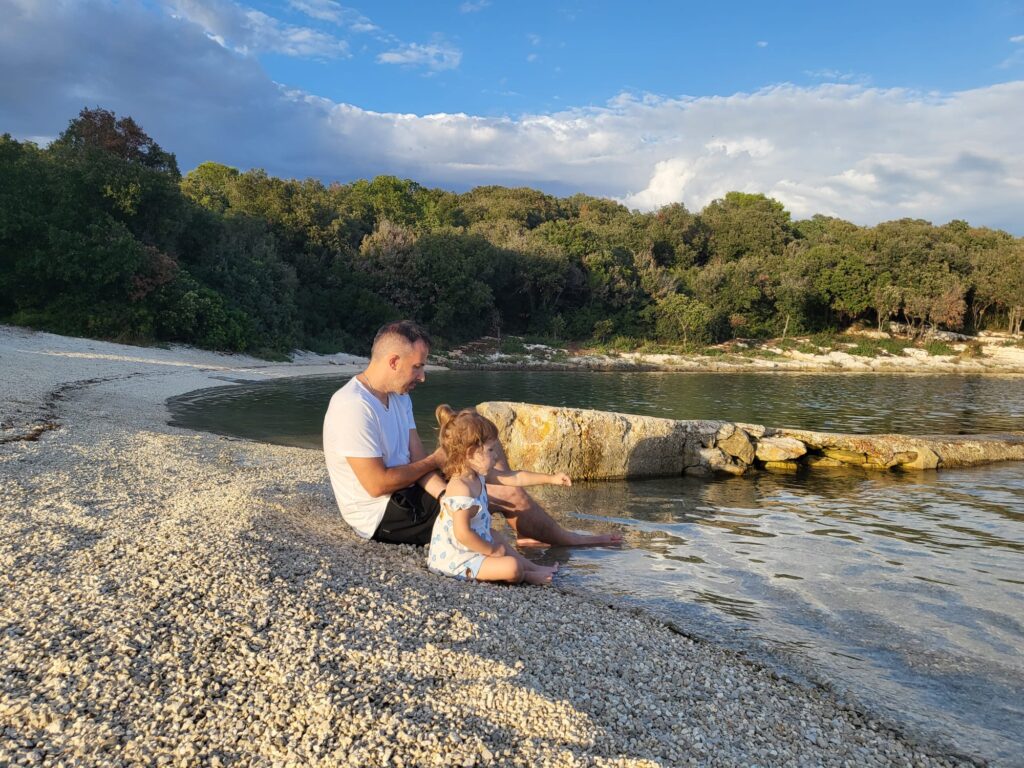
Kindness. That’s the one thing that I feel is at my core. I hope that one day when I’m retired and you guys are running NERD, and it’s doing its own thing and its shifted and changed with the times that there are people that will kind of be like, “Oh, I remember Milana. She was so quirky and like, you know, she pushed for me when no one else did.”
I like the idea of being in people’s corner. I think I’ve been very fortunate to have my family, my partner, and my close friends because they were in my corner against all odds – you know, we made it and we’re here.
It’s nice to be able to be that person for others when no one else is.
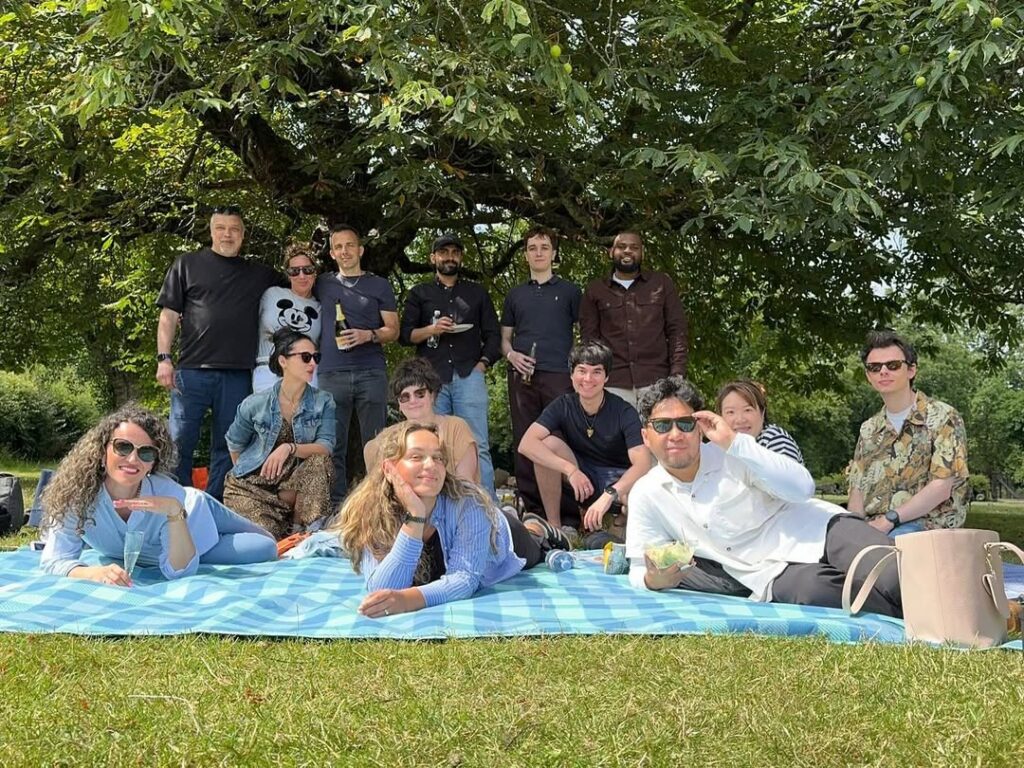
Building NERD was never just about starting a company. It was about creating a culture where people could show up as their full selves, where creativity could thrive through collaboration, and where the doors of the industry could open a little wider for those who had long stood outside them.
As Milana looks toward the future, her hopes remain grounded in the same values that started it all: curiosity, courage, and kindness.See more from Milana Karaica and NERD Productions on nerd.productions