Motherland in Adland: Casey Bird

CB1.pfO4uWVK - NERD Blog - Motherland in Adland: Casey Bird

In this instalment of the ‘Motherland in Adland’ series, the creative director explains how discovering AI during maternity leave unlocked a new creative freedom – and why mothers must play an active role in shaping the future of work

Motherhood in advertising has long been an unspoken challenge – a career-defining crossroads where ambition is too often questioned, and support systems fall short. And while the industry has made progress in acknowledging the realities of working parents, tangible change is still slow, leaving many mothers to navigate the journey alone.

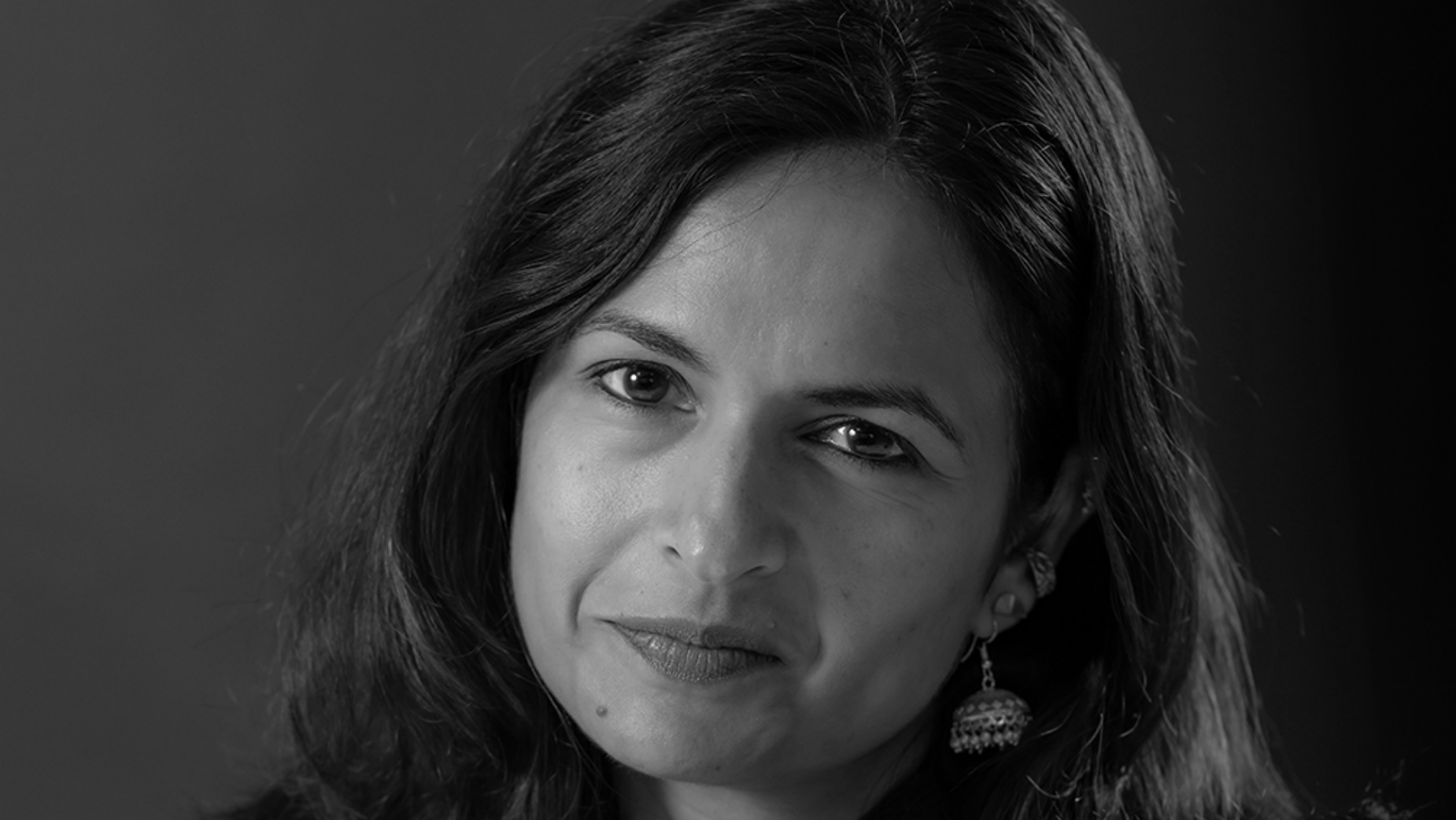
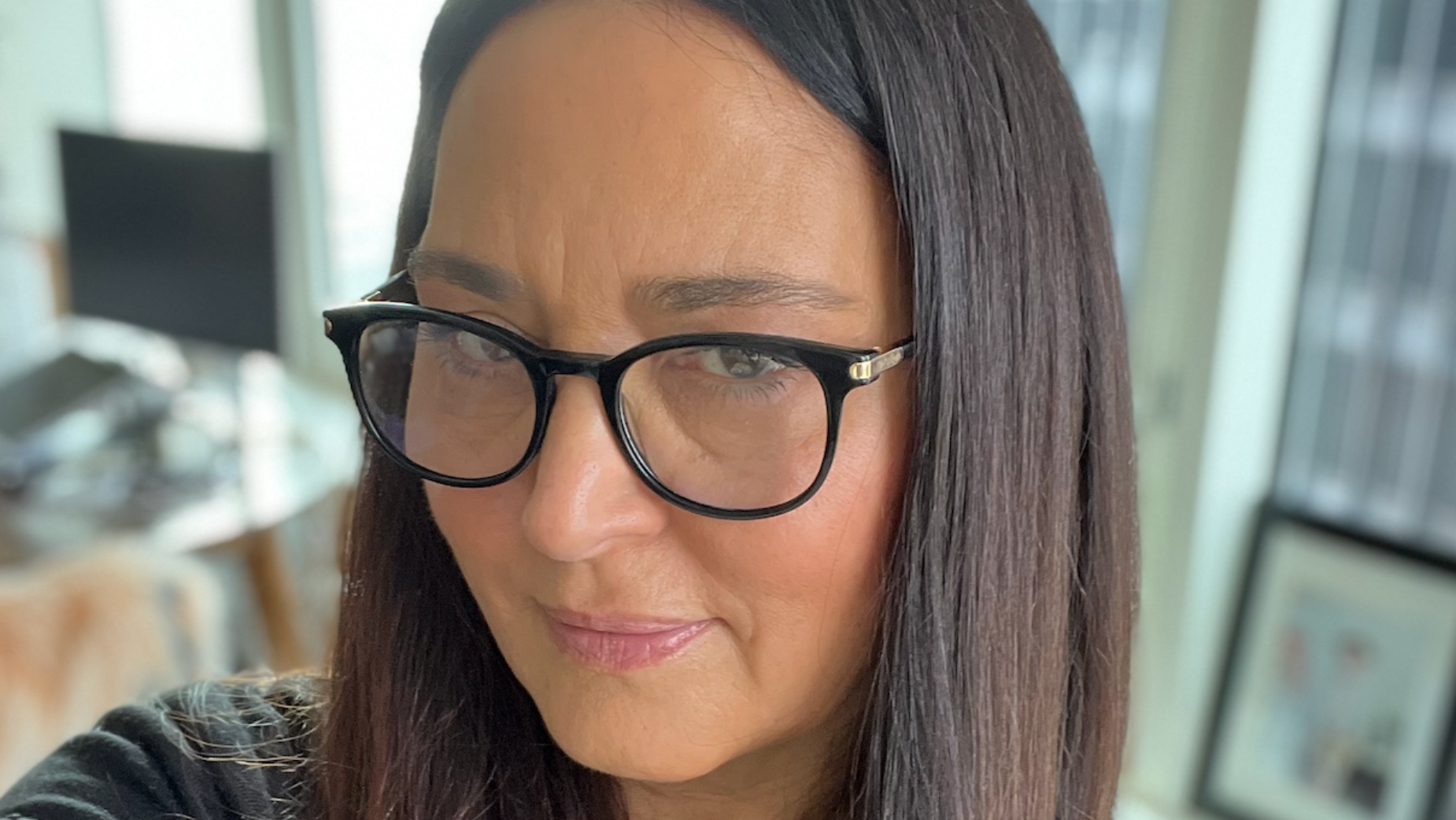
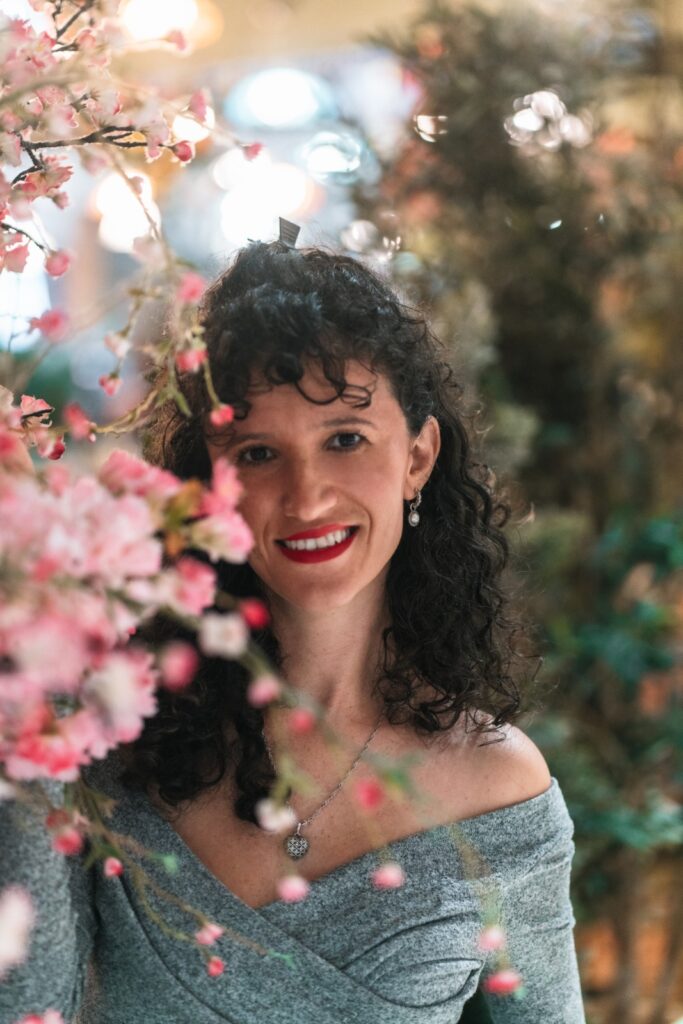
In this instalment of Motherland in Adland – the series founded by NERD’s Milana Karaica in partnership with LBB – we hear from Casey Bird, a creative director who most recently worked at Channel 4.

During her second maternity leave, Casey didn’t just return to work – she rewired how she thought about creativity, career progression, and possibility. AI became her tool for liberation, reinvention, and self-determined ambition. Now, as she launches her own creative studio, she’s calling on mothers across adland to experiment, challenge norms, and help shape the next era of work – because if they don’t, the future risks being built without them.

CB2.TSIbrTGV - NERD Blog - Motherland in Adland: Casey Bird

The AI Revolution is Here. Mothers Can’t Be on the Sidelines.

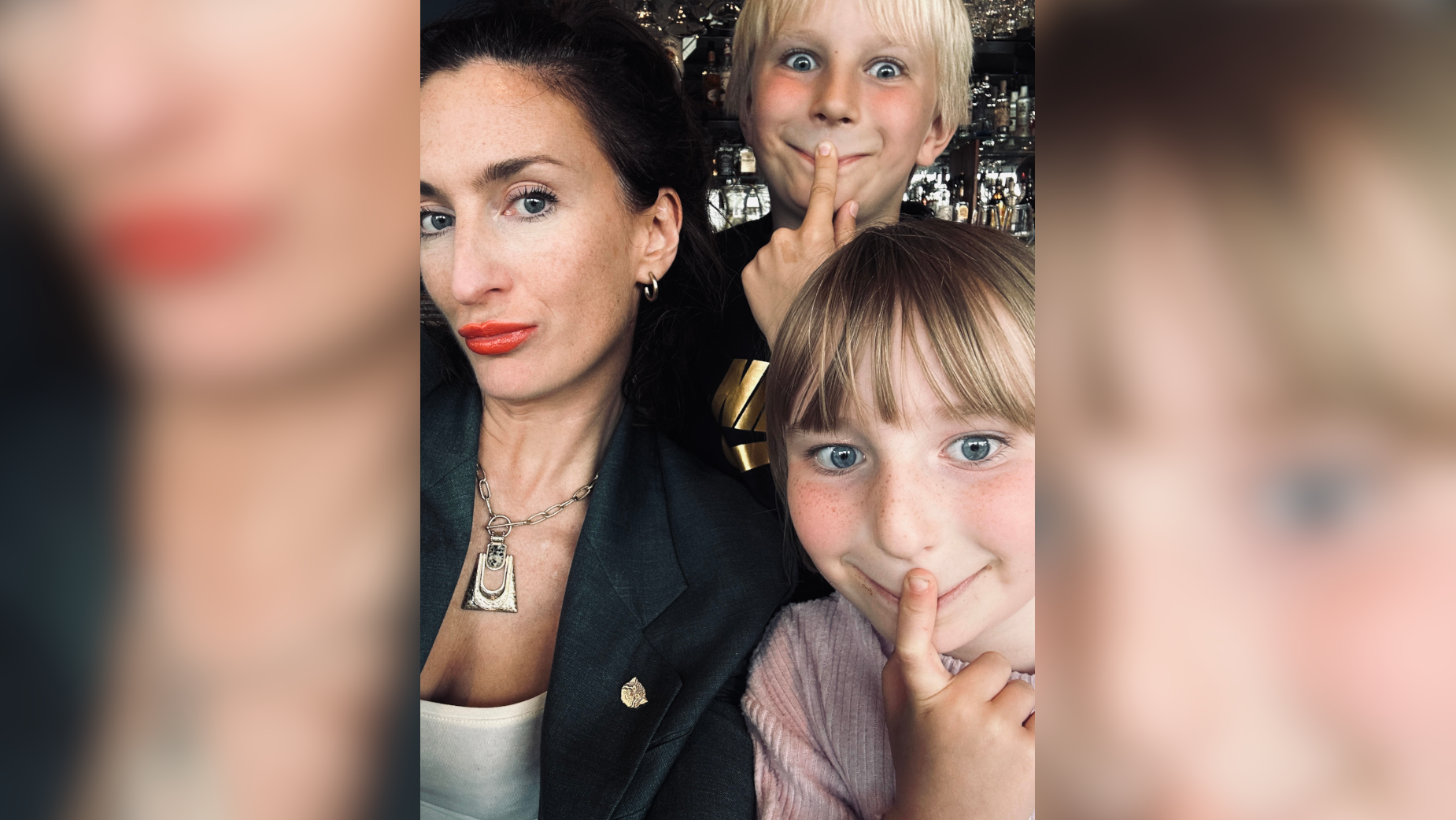
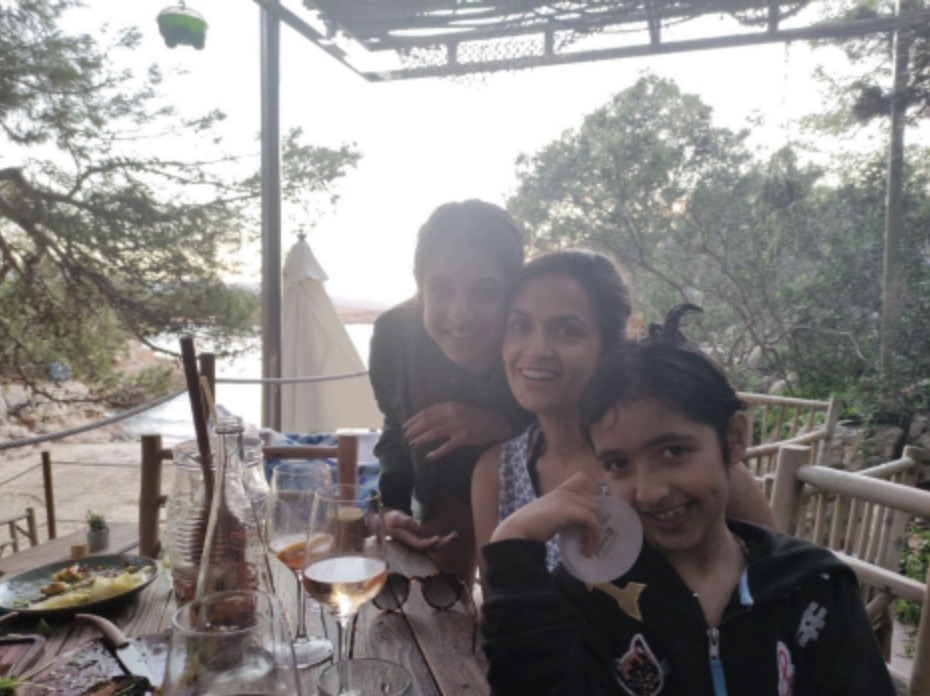
I’m not a technologist. I’m not a coder. I’m a mother of two (Hi Ruby & Mason, mama’s in LBB!).

I’m an award-winning creative director in advertising and marketing by trade, and someone who spent most of my career working global brands or brand partnerships, most recently Channel 4. But, during my second maternity leave in 2024, something happened: I became obsessed with AI. I became obsessed with the possibilities, the opportunities, the limitless ideas and thoughts. My brain literally exploded.

Not in a “sci-fi robots” kind of way, but because I saw how powerful it could be when applied to real life. I devoured hours of podcasts or YouTube vids on the topic. I started using it to brainstorm business ideas, draft pitches, shape creative concepts, things I had always relied on late nights or over-caffeinated mornings to do. Suddenly, instead of squeezing myself into a workplace model that was never designed for me, I could start designing my own.

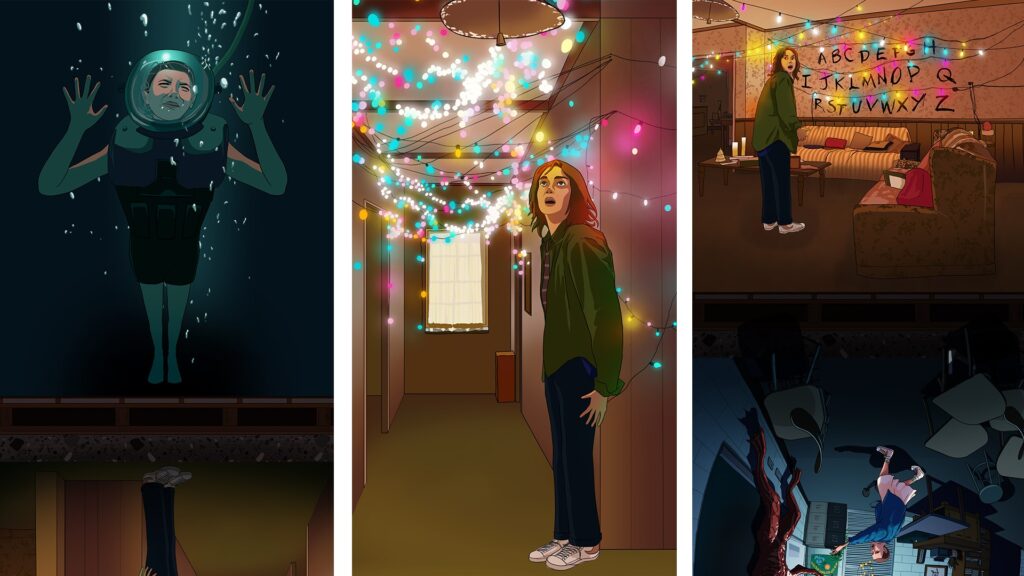
That shift was life-changing for me. In 2025 I created the first advert for a brand on behalf of Channel 4 using creative imagination, prompt engineering and a lot of human editing. I could do this, because I felt confident with the tools I had been practising behind the curtains, that when the opportunity arose, I was able to raise my hand and stand out. It was so much fun feeling limitless in the execution and not restricted by a shoot.

Now? I’m currently in the process of taking a pause whilst I launch my own creative studio, one that works around my time, my energy, and my commitment to my family. And AI is at the heart of it, obviously. My imposter syndrome sometimes can tell me this is a bit of a gimmick, but I truly believe it’s going to the scaffolding that allows me to build a business on my own terms as a mother.

Here’s the thing I’ve been pondering, AI is being called the biggest shift since the internet. But if mothers aren’t part of this revolution, then once again the future of work will be built without us in mind. And we can’t afford that. Women constitute only 20% of employees in technical roles in major machine learning companies, 12% of AI researchers, and 6% of professional software developers. (UNESCO)

Because let’s be honest, the traditional workplace is already failing mothers. And if you’re reading this and nodding along, you’re not alone. Too many of us are pushed out, sidelined, or quietly exit because the system doesn’t bend and work with us and our commitments. AI could change that. It could be the tool that helps us re-enter, reinvent, or completely bypass the structures that excluded us in the first place.
So imagine if mothers everywhere used AI not just to lighten the admin load or think up dinner ideas for the week, but instead:

  • Prototype businesses faster: turning that “what if” idea into a plan overnight. With no-code website builds you can take your idea to MVP in a day. No dev dude to patronise you.
  • Access opportunities that don’t depend on presenteeism: pitching, networking, or upskilling on your own schedule. Getting LLM’s to challenge you, set goals and learning schedules. Research indicates that women adopt generative AI tools at work 25% less than men, potentially widening the gender gap in career opportunities. (AllBright)
  • Rewrite the CV narrative: using AI to frame maternity leave not as a “gap,” but as proof of leadership, resilience, and creativity. The more we feed the LLM’s and tools these narrative, the less bias will present.
  • Create new economies of work: where flexibility isn’t a perk, it’s the foundation. The opportunity is enormous. But only if we claim it!

If AI is left to be defined by the Silicon Valley bros and tech dudes in your office, it will replicate the same systems that already shut us out. If mothers step in, experiment, and shape it, we can build something better. Not just for us, but for everyone.
Think of it as inventive, as being resourceful and creative with our thinking. And mothers have always been good at that, right?

CB3.DrjhIYPz - NERD Blog - Motherland in Adland: Casey Bird

So here’s my call to action for mothers and others, reading this…

Mothers, play with AI. It’s not scary or uninviting. Break it, bend it, push it. Use it to sketch that side hustle, to pitch that business idea, to design work that actually fits your life!

Because if mothers don’t step in now, we risk being erased from the future of work before it’s even been written. Now is the time to really flex the skills, and pull up a seat at the table. In fact, forget the table, build your own AI table with cosy chairs and warm cups of tea and invite other women to sit at it with you.

SAKARI LERKKANEN’S CINEMA INFUSED LOVE LETTER TO CAMPARI

Campari new header image - NERD Blog - SAKARI LERKKANEN’S CINEMA INFUSED LOVE LETTER TO CAMPARI

In the latest edition of getting down and NERDy we caught up with Sakari Lerkkanen to discuss the filmmaking process of Ode to Cinema for Camapari. A love letter to not only the iconic drink but to the history of cinema, blending many different genres and playing homage to some very iconic filmmakers. Sakari doesn’t just pay homage to the work of other famous directors but provides his own distinct and striking form of storytelling the oozes style and sophistication. Juggling the act of capturing the brand image of Campari, while also capturing the spirit of classic film iconography and then on top of that still applying your own unique stamp is no easy feat. You could say it’s like a creative cocktail, balancing new and old flavours together to make something totally original and refreshing.

When you think of Campari what’s the first thing that comes to mind for you and how did you apply this to the campaign?

Cinema. Cannes Film Festival. The Riviera. Italy. In that order – though only after directing this campaign.

Across all the films, that Italian sensibility was essential, especially in art direction, design and elegance. Campari is an Italian icon. But it became more in focus in the ’60s spy spot. The original script leaned on Western spy tropes (notably James Bond), but we shifted toward Italy’s own “spaghetti spy” tradition. It felt more intriguing, more distinct – and more Campari.

What was the trickiest aspect of shooting this campaign?

Time. Prep was tight. But the script was strong, and we had an exceptional team who instantly connected with it. Everyone brought ideas that enriched the final films and added far more nuance than I initially imagined. I love that kind of collaborative process. It makes the final piece feel so much more layered and alive.

Campari image 2 - NERD Blog - SAKARI LERKKANEN’S CINEMA INFUSED LOVE LETTER TO CAMPARI

How did you use technology and equipment to capture the visuals of the different genres to make them feel authentic? (e.g. lenses, audio)

The goal was to study and mirror each filmmaking era as authentically as possible. 

For example, in the 40s, wide and long lenses were limited. The equipment was heavy. The film stock was less refined than today. We purposefully burned highlights, avoided anything overly polished and kept the audio mono. Our sound team even matched the tonal footprint of the period.

Campari Image 3 - NERD Blog - SAKARI LERKKANEN’S CINEMA INFUSED LOVE LETTER TO CAMPARI

In the 60s, mainstream production value improved, but spaghetti spy films were often low-budget. We leaned into that charm – of course, with elegance in mind. Our editor (an absolute cinephile) also noted how rare match cuts were then, so we adopted a simpler, slightly imperfect rhythm. Later, there was even a brief trend when editors who could do match cuts became a novelty in Hollywood, which feels funny in retrospect.

In the 90s, post-Star Wars, the more expressive, layered sound design became standard (so to speak, modern sound design). In our Se7en-inspired piece, we used that freedom. However, Fincher always emphasises the plot with clarity and purpose. This poignancy was essential – nothing messy. Visually, handheld cameras and most modern lenses were already part of the mainstream grammar by the ’70s onward, so we used them.

Even though Anderson’s films feel nostalgic, he also uses these modern tools. Playful title cards, clean optics, precise framing. Studying Moonrise Kingdom, we also realised that his symmetry is very different to Kubrick’s, and his art direction blends eras rather than being pinned to one (primarily mid-20th century).

gif 8 - NERD Blog - SAKARI LERKKANEN’S CINEMA INFUSED LOVE LETTER TO CAMPARI

When paying homage to other artists or work how do you make sure to create your own personal stamp?

When aiming for an authentic film, there’s always a paradox: everything can’t be perfectly authentic. 40s or 60s film stock would be too aged today, so you rely on modern tools to echo the past. Storytelling is subjective, not objective – visible in every cut you make. Every decision you make.

I am not Fincher or Anderson, but I can embrace what I love in their work and how it makes me feel. In storytelling, that honest, personal feel is something that we all connect with. It’s like speaking to another person. That becomes your signature. In Wes, the curtains and jacket had Lynch vibes, while the plot carried a touch of Kaurismaki. Why hide it? In the noir, Mona had a natural telenovela flair – so we embraced it. And guess who’s the voice on the phone? These decisions all add nuance and texture.

I remember being very happy with the first cuts, but rewatching them again at home, something felt off. Moments that felt funny or exciting earlier weren’t anymore. The spark was missing. The next day, we tore each cut apart and rebuilt the flair. That’s the work – finding the emotional truth.

Ultimately, your style comes from your workflow, the people you collaborate with, and your taste – not from forcing a look. In my early years, I leaned on flashy effects and signature tricks to create a certain “style.” Later, I realised: story comes first. What does it need? How does it connect with people? The sharper the intent, the stronger the resonance.

That learning curve allowed me to translate my vision across multiple film genres and work with vastly different brands worldwide. Now, it is fun to see how some people say my reel has a bold voice, while others highlight its versatility. Both are true. For me, the story and intent always lead – rest follows.

While preparing for the shoot were there any films you watched for inspiration?

For noir: Tension (1949), D.O.A. (1950), Casablanca, The Third Man and The Maltese Falcon. 

For the 60s: Audrey Hepburn: Charade, The Spy Who Loved Me, Dr. No, From Russia with Love, Goldfinger, Danger: Diabolik (recommend) and various others. 

Wes Anderson’s Moonrise Kingdom and The Grand Budapest Hotel. For the thriller: Se7en, Killer and various others.

Mostly, though, we broke down and analysed the frames, techniques and scenes rather than entire films. Everyone was already familiar with the titles. It was a mix of agency references and my own. (I had to pull these titles from my notes.)

Music also plays such a large part of telling the narrative in each of these films, how was the music brought to life for this?

Each track needed to instantly throw the viewer into the film’s world. First, we aligned on era-specific instruments/styles, then shortlisted five tracks per film – twenty total. The ones that were both instantly recognisable and uplifted the films with a distinct edge made the cut.

The funniest case was the Wes spot. I’d never associate that track with Anderson, but I love surf guitar (I play it too), plus the song’s rhythm elevated the film with a deadpan wink. It made us smile – and it worked.

Need to see more from Sakari then click here 👀
And to find out more about NERD Productions talent click here 👈

Motherland in Adland: Sarah Collinson

Sarah Collinson 2.hB0Nc6WE - NERD Blog - Motherland in Adland: Sarah Collinson

Motherhood in advertising has long been an unspoken challenge – a career-defining crossroads where ambition is too often questioned, and support systems fall short. And while the industry has made progress in acknowledging the realities of working parents, tangible change is still slow, leaving many mothers to navigate the journey alone.

In this instalment of Motherland in Adland – the series founded by NERD’s Milana Karaica in partnership with LBB – we hear from Sarah Collinson, chief executive officer of Havas New York.

Sarah shares her experience of navigating pregnancy, parenting and leadership all at once – from fertility struggles and all-day sickness to the emotional tug-of-war between work and home. With candour and humour, she reflects on what it really takes to lead while parenting young children, and why embracing imperfection, drawing boundaries, and showing up authentically may just be the most powerful form of leadership we have.
Being a leader is tough.
Being a leader, while being a parent to a 4 year old, while also being pregnant is maybe the hardest thing I’ve ever done.

Part of me feels bad even saying this because my journey to parenthood has been an exhausting fertility rollercoaster that has taken up the majority of my thirties.
From the relentless ‘keep-trying-but-nothings-happening’, to the nightmare of miscarriages and an ectopic, to countless doctors’ appointments, injecting myself in random bathrooms, and running around cities at 7am trying to find somewhere to get a blood test before a meeting – it’s pretty much been the opposite of a good time

But MAN, working parenthood is tough.

Our industry is about people.
We have to research them, understand them, appeal to them – and yet with all that knowledge of what it takes to be a human, the basic pulls of working in a client-service business mean that for parents, balancing work and home can feel impossible.

The constant juggle that makes it feel like you’re half-assing everything, anti-social global hours that don’t take bathtime into consideration, and pitches that can swallow a weekend or five. All this, coupled with the thing I always struggled to admit – that when my son Felix was very little, working sometimes felt easier than being with a crying baby.

This industry also demands energy.
It’s a team sport, and we have to show up every day for our colleagues, teams, and clients.

It’s the thing I’ve found the hardest (and most rewarding) about being a CEO. If things are good, the people responsible need to be celebrated and recognized. If things are bad, they need encouragement and help. If you lose an account or a pitch, everyone else can despair, but you need to be there pretty damn fast with momentum and a game plan that helps people pick themselves up and start again.

It takes a lot out of you. And there are times I feel I give everything to work, and then rush home only to be a moody parent who doesn’t have the energy to read Curious George eight times in a row.

I found out that I was pregnant with my second child at the end of January and almost immediately started pretty epic morning sickness that lasted all day (and until week 16). Think heaving in the toilets no one uses on the 4th floor before big meetings, exhaustion levels that meant I wanted to nap under my desk and a generally crap feeling that never dissipated no matter how many bagels I ate.

Almost as soon as this phase wrapped (thank god), my hips and lower back seemed to disintegrate. I got an ugly belly band and tried to up my stretching, but walking was painful and standing still for any length of time became excruciating (why does no one sit down at drinks events??)

None of these things are conducive to being a pinnacle of energy and light.
It was a particularly tough adjustment because my first pregnancy was at the height of covid, and I didn’t step foot in an office.

To deal with it, I’ve become maniacal about energy conservation.
Getting good sleep, trying to ‘exercise’ – even if that means just walking for 30 minutes in the evening – and becoming even better at saying that wonderful word: “no.”

There is no solution for how to make this easy, but these are my learnings :

Tell partners early

Because of my fertility history, I didn’t tell anyone for a long time, but as soon as I brought the leadership team in, I felt supported. From ordering me mocktails when out with a booze client, to moments in pitches where I thought I might hurl and whispered they might have to take over (it never happened – but it came close), to simply having people to moan to – they, and everyone else at Havas, have been truly wonderful. The good news is we work in an industry of amazing humans. Let them help.

Prioritize ruthlessly

If you’re a parent, you’ll already be doing this. Do this more. Cut the chaff and focus on what is essential and meaningful. Sometimes that will mean cutting meetings short and delegating things you might not have before (they have to get used to you being out soon anyway).

Draw ground rules for yourself that you don’t break

This is something I’m telling myself in retrospect, as I very much did not do it initially. Give yourself a break, allow yourself to rest, hold time in your calendar to stretch, to walk, and to just sit in silence. Maybe don’t go into the office as much – especially if it’s summer in NYC and a million degrees.

Know there will be adjustments

I went to Cannes six months pregnant. I still did all of the Cannes things, but in orthopedic shoes with scheduled time for breaks. I also discovered the joy of swimming in the sea between panels and going for dinner. And yes, I mean that beach by The Martinez, where the chances of running into your biggest CMO in a towel are very high. I’ve never done it before for this very reason, but there’s nothing like being overheated and pregnant to make you think “fuck it.”

Lean into doing less

As someone who usually says yes to (almost) everything, turning down invitations and saying no has been tough, but I have to admit, it’s really helped. I’ve trimmed my priorities to family and work. Other things have fallen off a cliff, but with the knowledge that it’s not forever and they will be picked back up (I have a running list on my phone of all the fun things I am going to do when I can walk and drink again – a list my friends are increasingly terrified of).

Let yourself go to bed at 9pm
I feel like I’m a kid. But god, it’s helped.

The end is in sight but soon my new messy reality will be parenting two children, requiring more adjustments and a different type of exhaustion.

This journey has taught me that leadership isn’t about having it all figured out. It’s about adapting, prioritizing, and embracing imperfection. If you’re pregnant, parenting, or simply juggling life’s demands as a leader, your resilience to Keep Calm and Keep Showing Up is your greatest strength. So rest when you need it, learn to say no, lean on your people, and show up as the real you (even when that you is exhausted and with ankles so swollen you can barely fit into Birkenstocks), knowing that this authenticity is probably the most inspiring leadership of all.

Motherland in Adland: Marisa Posadinu

Marisa - NERD Blog - Motherland in Adland: Marisa Posadinu

In this instalment of the series, senior support advisor at NABS shares her own positive experience of returning to work after maternity leave – and the insight she’s gained from supporting hundreds of other parents across adland.

Motherhood in advertising has long been an unspoken challenge – a career-defining crossroads where ambition is too often questioned, and support systems fall short. And while the industry has made progress in acknowledging the realities of working parents, tangible change is still slow, leaving many mothers to navigate the journey alone.

In this instalment of Motherland in Adland – the series founded by NERD’s Milana Karaica in partnership with LBB – we hear from Marisa Posadinu, senior support advisor at NABS.

Marisa’s perspective is uniquely dual: both as a working mum herself, and as someone who supports countless parents across the industry. She knows just how tough the juggle can be – and how rare genuine support still is. From her own positive experience at NABS to the difficult stories she hears every day, Marisa shares what true flexibility looks like – and what the industry must do to make it the norm.

I know how tough it can be to be a mum in this industry. That’s because I have the privilege of helping parents across adland in my role as a senior support advisor at NABS. I hear first-hand about the obstacles stopping mums from progressing; about the challenges affecting parents’ mental wellness and ability to thrive at work and at home (because when you have a child, work and home life are more meshed than ever).

Before I write about those challenges and my thoughts on what we can all do to support working mums, I’m going to share my own experience. It’s an experience I’m lucky to have, and I share it because I want everybody to know that it is possible, even simple, to offer working mums the help they need to do well.

NABS is a really fantastic place to become a mum. I had my daughter in 2022, two years after joining the team. I had an inkling that I’d be in safe hands, because there are so many working parents at NABS; come into the office on any day and you’re sure to have a conversation with someone about nursery, school, the holiday juggle… I knew that I’d be met with flexibility and understanding, and I have been.

I communicated with my manager sporadically during my mat leave and this increased in the final few months. I had 10 KIT days, which I used to get up to speed with any changes and get myself back in to ‘work headspace’. I chose to do this: there was no pressure to use my KIT days at all.

When I eventually came back after 13 months, onboarding was great, thanks to empathy and awareness that sleep was still an issue. I was assigned a work buddy who I could turn to with day-to-day questions and had regular 121s with my manager to discuss my transition back into work.

Although I wanted to come back full-time – extortionate childcare costs have placed financial pressure on me and my partner – it soon became apparent that I needed more flexibility. I changed to condensed hours, working my full-time hours across Tuesday to Friday, and two years on I’m still benefiting from this pattern. It allows me to be better organised and focussed while having an extra day with my daughter. And when sick days and doctor’s appointments happen, I can take them with no judgement.

I’m lucky. I know from hearing hundreds of stories that this isn’t the case for all of us.
Mums calling NABS tell me that the juggle isn’t just real, it’s overwhelming. A lack of flexibility and long hours make the demands of the industry unmanageable; many mums will log on after bedtime, exhausted and struggling to keep up. Burnout, stress and anxiety are common as a result, with people calling NABS for urgent emotional support.

It’s even more difficult for parents of children with SEND, who need even more flexibility at work to navigate the system and fight for additional support.
I also hear of mothers being discriminated against by managers, allocating projects, clients and promotional opportunities to those who are ‘unencumbered’ by childcare responsibilities.

Add in the rising costs of childcare to this difficult mix, and it’s no surprise that many mums are looking for roles outside of the industry.

This is a terrible shame, and it can be – and should be – avoided. Mums have so much to contribute to adland, so we all need to work together to keep them with us.

So what do we all need to do?

As an industry, we could create a standardised parental policy, raising the bar to reduce the disparity between organisations and making sure that parents get the support they need across the board.

Support networks, mentorship, coaching and training should all be created and encouraged – and also point parents towards NABS’ resources including our advice line and group workshops.

Managers are key, as we discovered in All Ears, NABS’ community consultation. Equip your managers to have more open and supportive conversations with their teams – our Managers’ Mindsets workshops are a brilliant way to develop these skills.

Flexibility helps to remove stress, support mental wellness and furthers creativity and productivity as a result. Remote working, flexible hours and job sharing are just three solutions here. It’s about output, not presenteeism.

Many people become even more motivated about our careers once we have children. By putting the right structures in place, we can enable them to thrive. Let’s celebrate parenthood as an asset, not a hindrance.

A VERY NERDY HALLOWEEN FT – ORCA & ARCADE

header image - NERD Blog - A VERY NERDY HALLOWEEN FT - ORCA & ARCADE

Halloween is here and for all you horror freaks out there, turn the lights off, sit back and relax or cower behind a cushion in fear because we’ll be taking a deep dive into these spooky films by NERDY Orca & Arcade director teams. 

Arcade provides endless Halloween spookiness with their latest animation for Apple bringing a playful and wicked sense of energy to the table. We’ve also been informed no vampires were harmed during the making of the film!

Arace Apple - NERD Blog - A VERY NERDY HALLOWEEN FT - ORCA & ARCADE

Click here to view Apple Halloween

Click here to see more of Arcade

Ed and Nelly over at Orca have done a few projects over the years for the scariest holiday of the year. Including their delightful deranged ‘Halloween’ short that creates a sense of dread and unease in what can be described as an existential chase sequence.The animation style is reminiscent of prime Cartoon Network if it fused with the unsettling body horror of John Carpenter’s The Thing which is to say it’s pretty messed up…

Orca Halloween GIF - NERD Blog - A VERY NERDY HALLOWEEN FT - ORCA & ARCADE

Halloween 2023 available here

Here’s what Orca had to say about the film – “We wanted to create something for halloween and thought about those nightmares you have when you’re running from something and you can’t seem to get away –  that was the starting point. For the imagery itself we didn’t take influence from anything in particular, we just started drawing and came up with this monster which we found quite funny/ terrifying. We then filmed video reference for the animation as this is always really useful for timing and capturing acting decisions that you might not think about when drawing. For the background we wanted to continue on this dream/nightmare train of thought and created a barren desolate place where you would always be able to see the monster chasing you. 

Another ghoulishly horrifying project Orca worked on was for a show within a show for the fifth season of the BBC and HBO show “Strike”. The animation is inspired by point and click video games. Perfectly blends Orca’s trademark style with the themes and atmosphere of the programme.
Orca Strike - NERD Blog - A VERY NERDY HALLOWEEN FT - ORCA & ARCADE

Strike available here

Orca discuss the creative process working on Strike – “At the beginning, the main point of reference was the artwork of Jan Pieńkowski, however as we developed the look further (with production designer Hugo Cuellar) we moved away from pure silhouettes as we wanted to show the character’s expression and all the details of the heart character. The use of shadows, silhouetted shapes against a marbled sky carried through though, which we think works really well. For the video game sections, we looked at video chat games such as Club Penguin and then wondered how they would look with a more gothic twist. It was also important for the plot that we referenced a real section of Highgate Cemetery, which proved a really rich source of inspiration when it came to the types of architecture and foliage we included in the background art. 

Working with the client, (Bronte films, the production company that makes the Strike series), was really fun and super collaborative.
Ed and Nelly shared the films that scared and influenced them. 
Ed: “I was particularly scarred by Nightmare on Elm Street, which I saw when I was 14. It really stuck with me and I definitely had that in mind when we created our first Halloween microshort.

Screenshot 2025 10 31 at 15.30.03 - NERD Blog - A VERY NERDY HALLOWEEN FT - ORCA & ARCADE

Nelly –  “The Exorcist is one that really disturbed when I was young (and still does) – it’s so scary, but also grotesque and incredibly uncomfortable to watch. It must have influenced something on a subconscious level!

Screenshot 2025 10 31 at 15.31.12 - NERD Blog - A VERY NERDY HALLOWEEN FT - ORCA & ARCADE

Click here to see more of Orca’s 

And to find out more about NERD Productions click here.

Bringing UK Drill to the Cinematic World of Dune

Lewis Andrews Dune.ri qT8hE - NERD Blog - Bringing UK Drill to the Cinematic World of Dune

When you think of UK Drill you don’t often think of the sand dunes of Arrakis but with visionary director Lewis Andrews new music video for Baza he brought the cinematic scope of Denis Villeneuve’s Dune adaptation to the music genre.

 What inspired you to make this project?

 I was first inspired to create Baza when I saw this frame from the Dune 2 movie.

Baza One.Jshhfg2S - NERD Blog - Bringing UK Drill to the Cinematic World of Dune

I wanted to take the UK Drill scene, merge it with the Dune universe, and try to create something quite unexpected. I was kind of obsessed with the franchise for a while as it had such an impact on me in the theatre. BAZA was a way of soothing a creative itch.

One of the things that makes the Dune movies so special is Hans Zimmer’s music and sound composition. I was inspired by the delicate and haunting duduk sounds in Zimmer’s ‘Herald of The Change’. I produced a rough beat using some samples from the original score and it blended together really nicely with a basic drill beat that I arranged in a Final Cut Pro timeline. It was this demo that gave me enough belief that the project could be something really cool. I called my friend and music artist Richard Akam and put the wheels in motion for a Dune X Drill Scene video.

How did the music take shape?

From the very beginning, I knew I wanted to create every element of the project from scratch. Inspired by Hans Zimmer’s ‘Herald of The Change’ duduk composition, I sampled the duduk section of the track and merged it with a rough UK-drill style beat. I asked Richard Akam to write some lyrics to the demo beat. He is extremely gifted, always able to write something very easily and nail the vibe each time. The demo beat wasn’t good enough, and was just a tool we could use to shoot the video and get the lip sync tied in. I knew I wanted to also produce the beat for this project.

After the shoot was done, I started to experiment with a duduk composer Armen Kostani. I sent him a chord pattern so he could freestyle something in the same tone as Zimmer’s track. I started off using longer sections of the sample and then ended up cherry picking the best stems that had the cultural tonality and flare the instrument is famous for. I wanted the beat to have an electro-bass feeling similar to Alt J’s Fitzpleasure. The beat started off with buzz kicks, but that was the wrong direction. After many months of playing around and fine tuning, I took the beat to be professionally mixed and mastered at West Point Studios by sound engineer and magician Shane Shanahan. The beat took many twists and turns, mainly due to my willingness to explore and experiment. Shane really helped bring my track to life and played a pivotal role in channelling my vision in the coolest, highest quality.

How did you capture the aesthetic of Arrakis for the shoot?

I knew I needed to find a desert. I already had some locations in mind such as the Agafay Desert in Morocco. We wanted to shoot in Morocco but had difficulty with permits so we used the trip as a scout. Eventually, when I was working on Blade Runner 2099 – a six month job for Amazon Studios primarily based in Prague, I decided to use a weekend to attack the BAZA shoot in one sweep. The Amazon production also shot in Barcelona, so I ended shooting in Bardenas Reales, the closest desert to Barcelona I could find. I hired a fantastic production company, Activa Experience. The production company organizes shoots and tourists’ experiences in Reales. I studied some of the scenes and imagery from the Dune movies and noticed that I could achieve almost the same aesthetic in a rocky desert. This is despite knowing the Dune movies are iconically known for being set in sandy dunes. This was the perfect setting for BAZA and building the Arrakis vibe.

The next thing to pin down was the costume. I searched online for Dune stillsuit outfits and found an incredible designer brand, Demobaza which nails this look. I organised a Demobaza long overcoat, boots and trousers for Richard Akam, and the look was complete. The outfit is so incredibly detailed and punched strongly enough to give Arrakis an impression with a nod to a modern, futuristic sci-fi look.

The final piece to complete was some decent cinema glass for my RED KOMODO-X. I chose an Atlas Orion Anamorphic Primes set of 40 mm, 65mm and 100mm. The combination of location, costume, and lenses completed the Arrakis look.

Baza Three.VLjfPplp - NERD Blog - Bringing UK Drill to the Cinematic World of Dune
Baza Four.3 7tFUCW - NERD Blog - Bringing UK Drill to the Cinematic World of Dune

Could you tell us more about how the project evolved in the post production stages?

The project then evolved heavily in production, both musically, VFX and the colour grading pipeline. When I saw the raw footage I realised there was lots of potential to expand the story and futuristic, space appeal to the video and make it something “off world”.

VFX work tends to capture an audience’s attention because it’s showing the audience something which generally cannot be achieved in camera. Even though I only shot a few things on location where I knew I wanted CG to go, it wasn’t something I vouched for with any real intent during the shoot. I shot a mix of wide and close coverage so I could manage VFX ‘from afar’ and not have to worry about perfecting realism with close-up CG. I shot some plates that would allow for the VFX to go in but without knowing the full extent of what I wanted to do. I wanted the focus to remain on the artist Richard Akam, and keep the CG to a minimum, almost like background details, as if the things happening in his world are not unusual to him in his world.

Some key visual effects I decided to focus on were, adding some planetary constellations (the impossible double eclipse), huge orange blooming moons and ‘The Black Dog’, which is the monolithic, triangular spaceship. I wanted the design of ‘The Black Dog’ to be simple, and have a hollowed-out core. Some subtle work helped to sell ‘off world’ in the video. For example, in the opening establisher that features the monolith style spaceship, simple paint outs of trees or earth-like features were replaced with CG asteroid craters.

A big part of this project was colour management within Da Vinci Resolve. Every 3D render was created in a linear colour space so that it could be transformed by CST’s in my node-based colour managed project. Once I had sorted out the correct colour space transform for the R3D footage (RED Wide Gamut, RGB, Log3G10) I found the mid grey point within the Da Vinci Wide Gamut colour space and nuanced a curve which served my clips on a macro level. I then used groups in Da Vinci to establish a look in a Group Post-Clip and then performed all of my clip level grades.

I wanted the VFX to be a big selling point of the final video. I knew that I wanted BAZA to have a heavily tinted aesthetic with deep reds, amber skies, and crushed highlights. This posed some challenges, maintaining a consistent look between the software I used to handle the post works: Cinema 4D, After Effects, Blender, Logic, and Da Vinci Resolve. 3D works were done in Cinema 4D and composed in After Effects, most of the EXR renders were conformed in Da Vinci so that I could do a full Rec. 709 round trip, and run the material through my pipeline built with node-based colour space transforms.

What is the biggest difference between directing a music video and a commercial?

A music video gives you a lot more expressive freedom, and feels closer to serving as a demonstration of an ‘artist’s work’. A commercial is usually driven in some way by a more rigid level of strategy, brand or message to sell a product directly on the back of watching it. A music video is selling a person, so they are kind of like personalised commercials for humans. They are similar in the sense that they build impressions of a product or an artist in the same way.

Do you have any dream artists you’d love to direct for?

Ye.

Lewis is currently running the BAZA Open Verse Challenge, with 4 international rappers from Nigeria, South Korea, USA, Germany, if you would like to find out more details about this click here.

To see more of Lewis’s work click here.

Motherland in Adland: Davitha Tiller

Devitha Tiller. wvcZauD - NERD Blog - Motherland in Adland: Davitha Tiller

In this instalment of the series, head of social and integrated communication at Havas shares her experience of becoming a single mother in a city away from her family, and how building a daily rhythm with her son has helped her grow in her life and career.

Motherhood in advertising has long been an unspoken challenge – a career-defining crossroads where ambition is too often questioned, and support systems fall short. And while the industry has made progress in acknowledging the realities of working parents, tangible change is still slow, leaving many mothers to navigate the journey alone.

In this instalment of Motherland in Adland – the series founded by NERD’Milana Karaica in partnership with LBB – we hear from Davitha Tiller, head of social and integrated communication at Havas.

Davitha shares her experience of becoming a single mother while leading in one of the industry’s most demanding sectors – with no family nearby, no fallback, and a young son relying on her. What followed was a journey of emotional extremes: fear, liberation, exhaustion, growth. And, ultimately, pride.

From the challenges of raising a child alone in New York City to the structural support of working under strong female leadership, Davitha’s story is one of extraordinary resilience – and a powerful reminder that motherhood, in all its forms, can shape more empathetic, grounded leaders.

IT WASN’T THE PLAN, BUT IT’S MY PATH.

I will never forget my first official day as a single working mom.

I was standing in the kitchen of the apartment my 11-month-old son and I had just moved into following my difficult separation from his father. After a long day of meetings, pitching and thinking; I had put him to bed, and now it was time to make myself dinner. But before I could so much as reach for a pan, a wave of emotion hit me – an overwhelming cocktail of debilitating fear and exhilarating relief.

There was the fear of the road ahead. The relentless logistics. The loneliness. The unknown. And at the same time, there was this liberating sense of reclaiming control – of knowing that, for better or worse, I was back in the driver’s seat of my own life.

How am I going to do all of this?

The sleepless nights. The childcare arrangements. The all-day meetings. The after-work mom mode. The after-mom-mode work mode. The co-parenting conflicts. The tiredness. The confronting reality of knowing that you’re staring at your greatest support system in the mirror.

IMG 8074.g8fMeG5T - NERD Blog - Motherland in Adland: Davitha Tiller

And yet – alongside all that – came the longing to be the best mom I could possibly be. To stay healthy, strong and active. To nurture friendships. To make new mom friends. To help my son make his first friends. To sign him up for extracurriculars. To travel the world for work and for fun. To eventually, maybe, date again.

Being an expat single mom in a place like New York City, with no family nearby and a sole custody parenting arrangement, while working a demanding leadership job in our fast-paced industry, is its own level of hard. And being a stubborn Taurean who doesn’t easily accept help certainly didn’t… well, help.

The non-stop nature of it all was terrifying. And, honestly, some days it still is. But even in the darkest moments, I held onto one belief: that eventually, it would get easier. And it did.

To my own surprise, I wouldn’t change a thing about my journey.

Because what I’ve learned is this: just like writing, or riding a bike, once you get the hang of single working mom life, it becomes second nature. And in doing so, it reveals a level of vulnerability and resilience you might never have known you had.

I’ve always been a creature of habit, someone who believes that structure is the antidote to chaos. So I approached life with my son like a military mission – building a daily rhythm so reliable, both he and I could follow it with our eyes closed. That structure became my lifeline. It still carries us through.

And through it all – just as research so often shows about children raised by single mothers – my son has become the most loving, flexible, perceptive, and emotionally intelligent little man. He lights up my life every single day, and together, we make a pretty great team.

IMG 3675. XHfUGew - NERD Blog - Motherland in Adland: Davitha Tiller

And speaking of teams; I am immensely grateful to work for an agency with a strong female leader at the global helm, where offering people the flexibility and support to navigate their personal circumstances isn’t an exception – but the cultural norm.

Over the years, I’ve come to wear my “single mom” title not as a burden, but as a badge of honour.

It wasn’t the plan, but it is my path. It has made me who I am.
And today, I can finally say it:
I’m proud of her.

LUCAS BORRAS AND CARLOTA SANTAMARIA – MOVING ACROSS THE GLOBE TO MAKE MOVIES

Screenshot 2025 10 09 at 10.22.21 - NERD Blog - LUCAS BORRAS AND CARLOTA SANTAMARIA - MOVING ACROSS THE GLOBE TO MAKE MOVIES

Life as an artist can oftentimes be a life of moving to where the work is or travelling to new places to be inspired, living a nomad existence, always seeking out the next project. On the 4th and 5th of October World Day of Migrants and Refugees was celebrated and we wanted to take this opportunity to speak with NERD Productions talent Lucas Borras and Carlota Santamaria originally from Spain have lived all over the globe swapping the towering skyscrapers of NYC and now finds himself in tinsel town living amongst the stars. The pair will be moving forward as a collaborative force known as Chosen Family and we cannot wait to share more with you in the near future. 

Moving can be a hard and difficult process like leaving a piece of yourself behind, places can root us down, remind us of people and memories. Another consideration is uprooting family, having to look for new schools and fit in with new cultures and customs. We caught up with both of them to discuss how migrating impacted his work and whether it inspired or changed his approach to making art.

LivingInNY - NERD Blog - LUCAS BORRAS AND CARLOTA SANTAMARIA - MOVING ACROSS THE GLOBE TO MAKE MOVIES

How did you both originally meet?

Like all great stories, in prior days of online dating,  we met dancing in Barcelona and from that point onwards we just clicked together.

What was your first creative collaboration?

“The first time we collaborated was on a TV show called Anecdotari—a project that marked the beginning of our creative partnership. It went on to win both the Gold LAUS Award and the European Design Award. I led as Director and Animation Director, while Carlota brought her vision as Design Director and Illustrator. It was a project rooted in shared values, distinct perspectives, and a deep creative trust.” – Lucas

Was home sickness something that ever impacted you when you first moved away from home?


“We’ve always had each other’s back which always helps, naturally most of our family still live over in Spain but what’s helped since moving to LA is there’s a strong spanish speaking community in our area. We’ve made friendships through work collaborations, but as well through exploring the “californian” culture and taking our children to school and it’s important that we’ve built connections outside of the film and advertising space as well.” – Carlota

How does living on the West Coast differ from living on the East Coast?

“New York moves at a very different pace, you’re at what feels like the center of the universe, the hustle and bustle of a sprawling metropolis. When we moved back in 2009 it was very easy to build up connections especially in the creative space. You were always within walking distance of agencies and creative studios. LA on the other hand is more spread out and vast, unless you drive a car it can be harder to get from A to B. So you learn to find your people where you’re based which in a lot of ways helps with the community feel.

Our surroundings often provide us with inspiration, when was the last time the LA sunshine helped form an idea?

It’s so true, our surroundings provide us with so much inspiration, moving to LA in many ways felt like going home to Spain, the sunshine beaches and the open air provided us with a sense of clarity that was almost impossible to achieve living in New York City. We have more time to relax and collaboration feels less strained. I think in LA we have mastered work and life balance better than what was possible living in New York.

Take a look at some of the prime examples of Chosen Family’s colourful work.

Erno - NERD Blog - LUCAS BORRAS AND CARLOTA SANTAMARIA - MOVING ACROSS THE GLOBE TO MAKE MOVIES

Click here to see to see colourful and inspiring Erno Laszlo film.

quantic - NERD Blog - LUCAS BORRAS AND CARLOTA SANTAMARIA - MOVING ACROSS THE GLOBE TO MAKE MOVIES

Click here to see Quantic

Could you tell us a bit more about your creative relationship and how that’s evolved over the years into Chosen Family?

“After 18 years of living—and creating—together, we’ve developed a rhythm that allows us to balance the personal and professional with honesty and flow. Our different points of view consistently push the work to new places, and we’ve found that what might feel like friction at first often becomes fuel for something better. Over the years, our dynamic has matured into one of synchronicity and clarity, especially when navigating complexity or high-stakes moments.


We’re both deeply curious and wired for what’s next. We thrive on experimentation, openness, and momentum. If we had to name our shared ethos, it would be this: Live without fear, and create like you mean it. That mindset permeates everything we do—how we collaborate, how we take risks, and how we bring ideas to life.” – Lucas & Carlota

2010 OnSet 2 - NERD Blog - LUCAS BORRAS AND CARLOTA SANTAMARIA - MOVING ACROSS THE GLOBE TO MAKE MOVIES

How do you deal with prejudice in and out of the workplace?

With empathy.

What’s the most valuable piece of advice you would give to someone who is also looking to migrate for work opportunities?

If possible, go spend some time in the place you’re considering. Live it. Walk its streets. Connect with the studios, agencies, and people you admire. Get a real feel for the energy. See if it matches what you imagined—if it truly feels like somewhere you want to be.

To see more of Chosen Family’s work click here

2016OurFirstChildTurns1 - NERD Blog - LUCAS BORRAS AND CARLOTA SANTAMARIA - MOVING ACROSS THE GLOBE TO MAKE MOVIES

Motherland in Adland: Jennifer Mejia-Ponce

jennifer.zvGpMfae - NERD Blog - Motherland in Adland: Jennifer Mejia-Ponce

Senior producer at Area 23 New York Jennifer Mejia-Ponce talks about being a queer Filipina mother in the US, the challenges of navigating a global pandemic and being a new parent, and more

Motherhood in advertising has long been an unspoken challenge – a career-defining crossroads where ambition is too often questioned, and support systems fall short. And while the industry has made progress in acknowledging the realities of working parents, tangible change is still slow, leaving many mothers to navigate the journey alone.

In this edition of Motherland in Adland, we hear from Jennifer Mejia-Ponce – a seasoned senior producer whose nearly 30-year career spans broadcast, live events, and experiential campaigns for brands like Netflix, Canon, and Nike. As a queer Filipina mother, Jennifer brings a powerful, intersectional voice to the conversation – one shaped by decades of hustle, reinvention, and resilience.

From TV studios to Bayfront builds and virtual broadcast meetings with a baby on her lap, Jennifer reflects on the evolution of her identity as both a producer and a parent. She speaks candidly about the tension between ambition and presence, and the added layers of navigating parenthood as a non-biological mum in today’s political landscape.

Jennifer’s story speaks of adaptation, strength, and reframed success in both the projects she’s delivered and in the values she’s passing on to the next generation. Read on to hear her story.

Wouldn’t it be grand if I could just put some prompts into ChatGPT and boom, here is my story. But of course that wouldn’t be authentic, would it? How do I talk about myself and my experiences and show everyone reading the private side of myself.

Opening up brings up feelings of not being enough, of ‘Am I worthy to read about’, self doubt and roadblocks of not feeling like I fit anywhere. I didn’t see many Asian Pacific Islanders/queer folk in the industry when I started my career. I missed the cultural connection that would make me feel like there were others like me. The industry is vast and can sometimes feed loneliness, especially after moving into remote work.

I’ve been a producer for almost three decades. Graduating from film school in the late 90’s, I worked for eight years in television with studios such as ABC and MTV. I was sadly making more than my single mom who then had served 20 years in the New York City hospital system.

Speaking of, I come from a culture where being in the medical field is almost a given – I could have been a nurse, like many of my fellow Filipinos, but I went into a job that to this day, my mom still doesn’t quite understand. It wasn’t typical. But when they asked me what I wanted to be when I grew up, my response was always manifold – an accountant, carpenter, photographer. So in a way, it makes sense I’m a producer today – we’re seen as the multitaskers, budget-sorcerers, and fire chiefs of the industry. The planner and mother of the group.
Long story short, when I graduated, I had dreams of working in film. With stars in my eyes, I imagined I’d be the next Discovery Channel Jacques Cousteau. But ‘The Deep Blue’ documentary made me rethink the idea. I ended up in television, but felt like I was young, naive and too nice for the environment.

I fell into experiential/live production and it was a 16-year-long ride of freelancing. Starting a staffing agency, creating Christmas at Macy’s for seven years, building production kits, training manuals and large installations in the middle of Miami Bayfront or FYSEE event spaces for Netflix in LA. I was also a bartender, security at a nightclub, tour manager, stage manager. I must have done 1000 interviews. Producing and being a workaholic was my life.

Time grew, experience grew and I realised I could take my experience and grow with it. I was building structures that were said to be impossible with my own hands and loving the adventure. I showed my wife that her tech knowledge was a great fit for production, and we worked together for years so we could produce our wedding and eventually raise enough money to start a family. We had a goal – more than just climbing some invisible work ladder. We were aiming for it all.

The adventure hit full stop when covid happened, coincidentally also when our baby was about to be born. The work I was building was gone. Travelling the country changed to travelling to the living room. The money we set aside was collapsing. Hustling and working three jobs at a time all came to a halt. I had just started feeling comfortable in my suit and tie I wore to events, but events were no longer.

When the world came out of lockdown with masks and virtual events. I had to re-start; contemplating about travelling 80% of the year for production jobs or not seeing the child we planned to have.

I call myself blessed after eight months of struggling with fear of how to care for our growing family. I said yes to a full time job being a virtual and senior producer in broadcast/advertising. One of the best work perks was that I was able to hold my baby during conference calls. I felt like a fish out of water, but being able to smell my baby was what calmed me. Broadcast was familiar but far from what I recalled – I reminded myself of the hustle to learn every facet of experiential with no guide book; this new role was no exception.

At 48, our daughter was born and I buckled down at my new job. Life was fulfilling its destiny after marrying my wife five years earlier when marriage became legal in the US.

Now it’s 2025. Feeling older than my peers, where in most businesses you would be looked at to exit or move up positions. I am also now navigating a not-so-baby four-year-old with emotions that I need to understand, through experiences I myself wasn’t allowed to feel as a child. I am the gentle parent who is trying to keep the gentleness, even though I was plopped in front of a TV growing up and constantly told to keep quiet.

Nothing can prepare you for having a kid and a full-time job at the same time – not even working months on a production and 72 hours straight of no sleep. It’s a completely different type of exhaustion. Now, you’re living for a small human who needs you literally at every step of life – priorities shift.

Now, I am a senior producer who slowed down her career to be home with the toddler, and a mama who’s had to navigate feelings of not being ‘the biological mom’. The mom who had to get court papers – to be my child’s legal mom if something was to happen. You’d think loving it would be enough, but our political climate is not supportive of queer lives.

Each day weighs differently in my head. Family versus work? Am I getting too old for this? Which comes first, the toddler who asks me to put my phone down, or the meeting? Do I say to my child ‘Wait five minutes’, so I can send my pressing emails about timelines, budgets and client must-haves? Do I feel all the guilt of missed playdates? Do I start missing school events to not be up ‘till midnight working through what I didn’t do during the day?

I sometimes miss the set builds and events where I was king with my walkie talkie and creating experiences that made people smile. But now I get to be home when my child gets out of school or needs a hug. I finally fit in with so many other moms, who, too, juggle work and parenthood. I found my community in some way, even if it’s through a screen! I’ve found a space where I can produce award-winning work – one that matters in the real world.

I’ve always said, producing is being asked to make unicorns fly. One, unicorns don’t fly. Two, unicorns aren’t real. But being both a producer and mother in today’s world is even harder – we shift, we reset and find the ways to survive and to learn from the struggles. We fight to be stronger, to be better and to secure balance like we do on any production set. I’m looking forward to the future where my kid learns to see the world, hopefully knowing her mom could do pretty much anything with a good mindset.

I can’t say I’m at all perfect, or that I don’t struggle daily with my direction. But, the best part of this industry is that it’s an open door. Like an AI prompt, I just need to figure out the key words to get me where I’m supposed to be.

Motherland in Adland: Georgina Leigh-Pemberton

georgina.KPqQjbml - NERD Blog - Motherland in Adland: Georgina Leigh-Pemberton

In this next instalment of ‘Motherland in Adland’, managing director of Turner Duckworth London tells LBB about the lessons she learned about the industry through motherhood, and why no parent should have to “miss a sports day or a school play” because of work.

Motherhood in advertising has long been an unspoken challenge – a career-defining crossroads where ambition is too often questioned, and support systems fall short. And while the industry has made progress in acknowledging the realities of working parents, tangible change is still slow, leaving many mothers to navigate the journey alone.

In this installment of Motherland in Adland, the series started by NERD’s founder Milana Karaica in celebration of women’s month, we hear from Georgina Leigh-Pemberton, managing director of Turner Duckworth London. 

From her own experience, Georgina tells an all-too-well story of broken promises and settling for a lower-than-deserved role due to her pregnancy. Overworking herself due to the invisible pressure of the industry, and riddled with parental guilt, Georgina inevitably had to address the burnout and left her workplace with nowhere else to go to.

She calls it a “painful but valuable lesson” — one she believes no mothers in the industry should have to learn due to the downfalls of their employers. Read on to find out more about Georgina’s story. 

My first personal experience of this came when a previous employer took me out to dinner after strongly implying that I was in line for a senior role — until, after declining a martini and, when pressed, confiding in the CFO that I was pregnant, the opportunity quietly disappeared.

When I returned to work in a different role after my first child was six months old, I was determined to prove that being a great MD and a wonderful mother was possible. I put myself under immense pressure to succeed — and in doing so, I set myself up for failure.

Every day, I left home before my daughter woke up and returned just in time to put her to bed. My company never explicitly pressured me to stay late, but I was acutely aware of the unspoken expectations. Exhausted, overwhelmed, and guilty, I left after six months, without another job to go to. It was a painful but valuable lesson, one I carry with me to this day: no one should choose between being present for their family and excelling in their career.

I’m incredibly fortunate to now work for a company that fosters a culture of genuine support for working parents. It’s not just about returning to work — it’s about ensuring ongoing flexibility and understanding throughout our careers.

No one should have to miss a sports day or a school play because of a presentation — these moments matter.

I know many in this industry are not as lucky. Parenthood is too often viewed as an inconvenient disruption rather than a natural part of life. This mindset has to change. Flexible working is part of the solution, but we need to go further and offer more adaptable hours, greater autonomy over office days, and a culture that values productivity over presenteeism.

While I’m encouraged to see attitudes shifting away from the expectation that working late into the night is just ‘part of the job,’ the change isn’t happening fast enough. And it’s not just parents who deserve better balance — no one’s time should be treated as less valuable simply because they don’t have children.

Everyone has responsibilities, relationships, and lives outside of work that deserve respect. Until we address the culture of systemic overwork across the board, creating a genuinely supportive environment for working parents will always be an uphill battle.