Motherhood in Adland: Who Catches the Falling Plates?

- NERD Blog - Motherhood in Adland: Who Catches the Falling Plates?

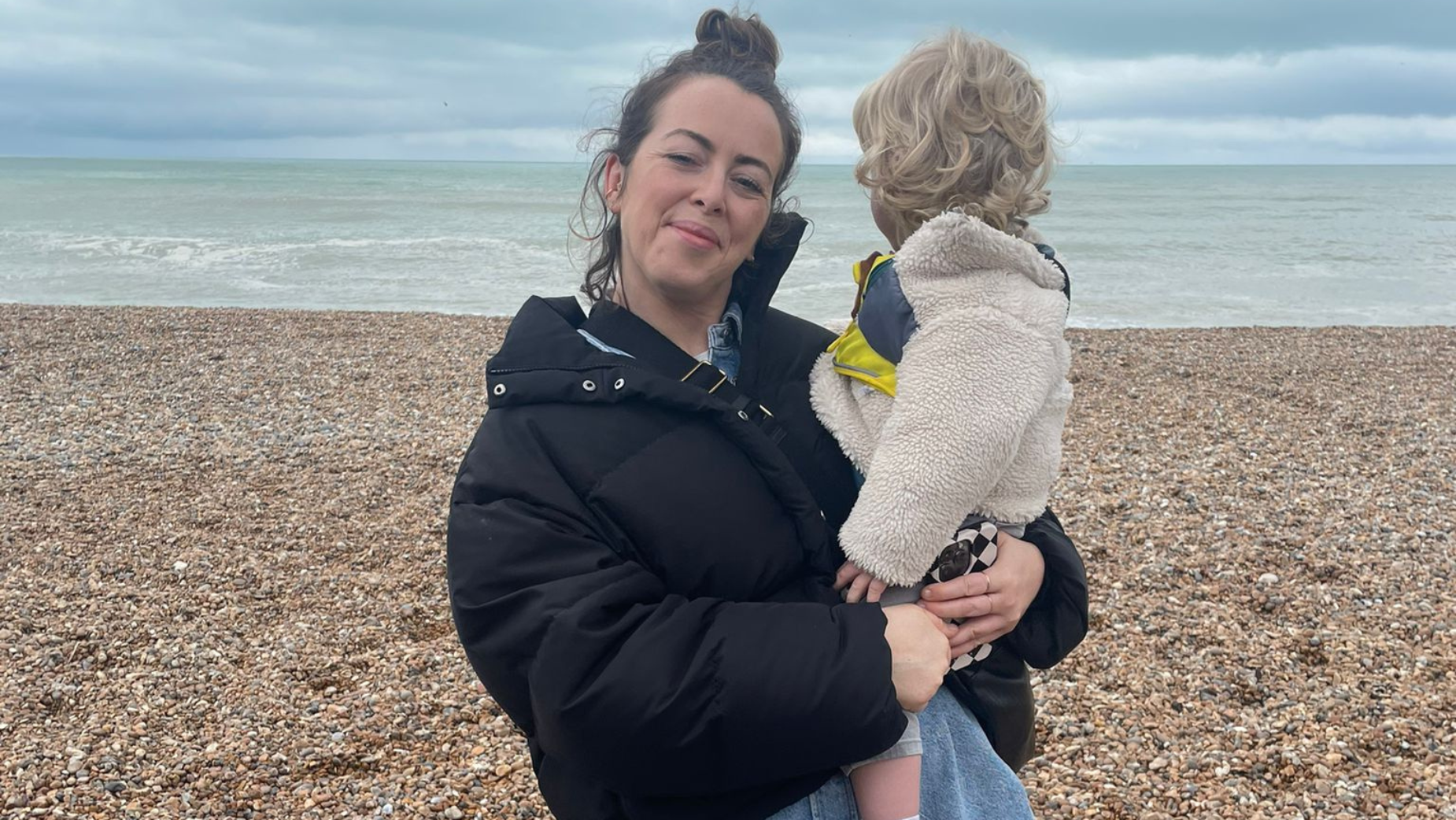
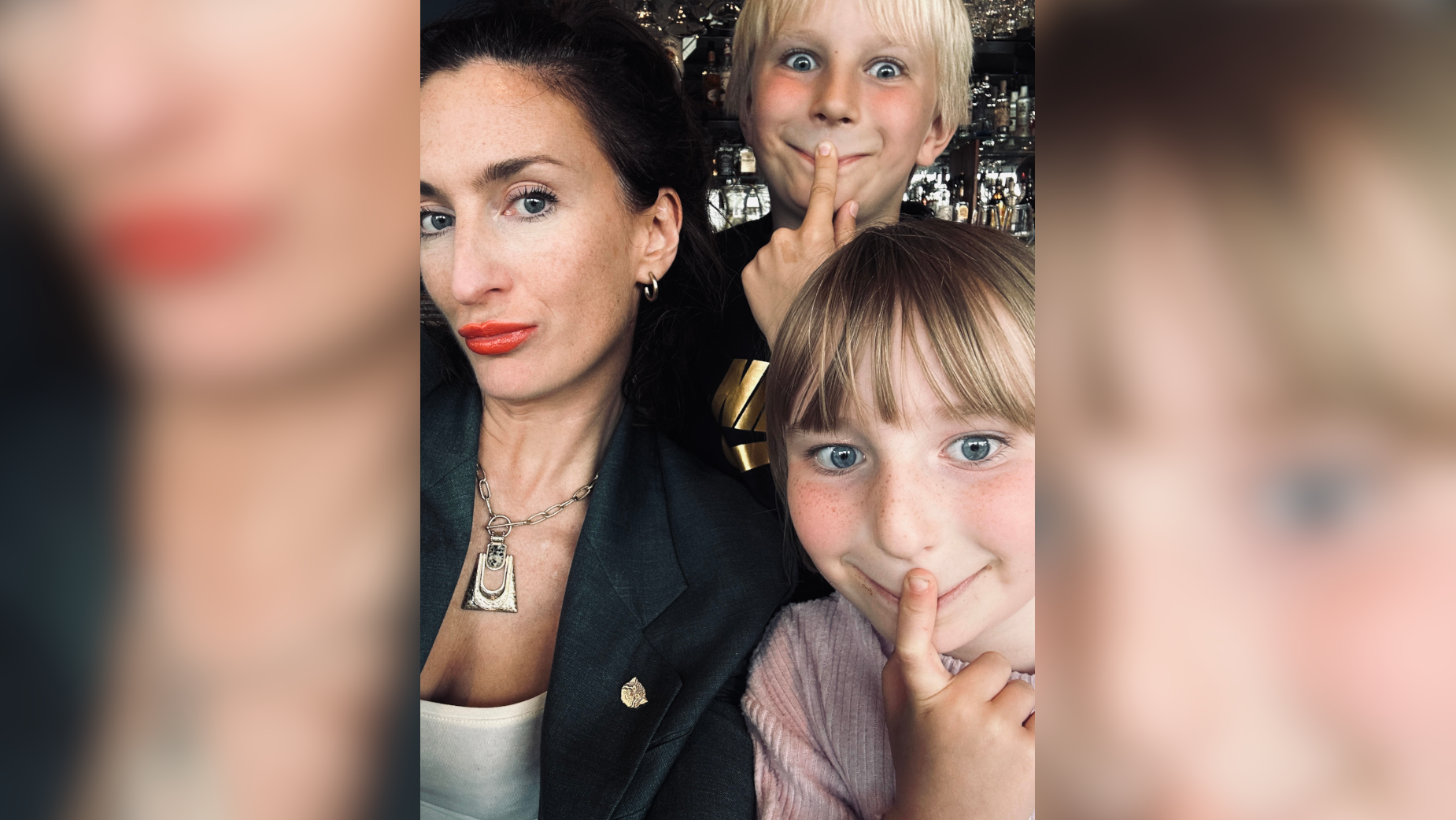
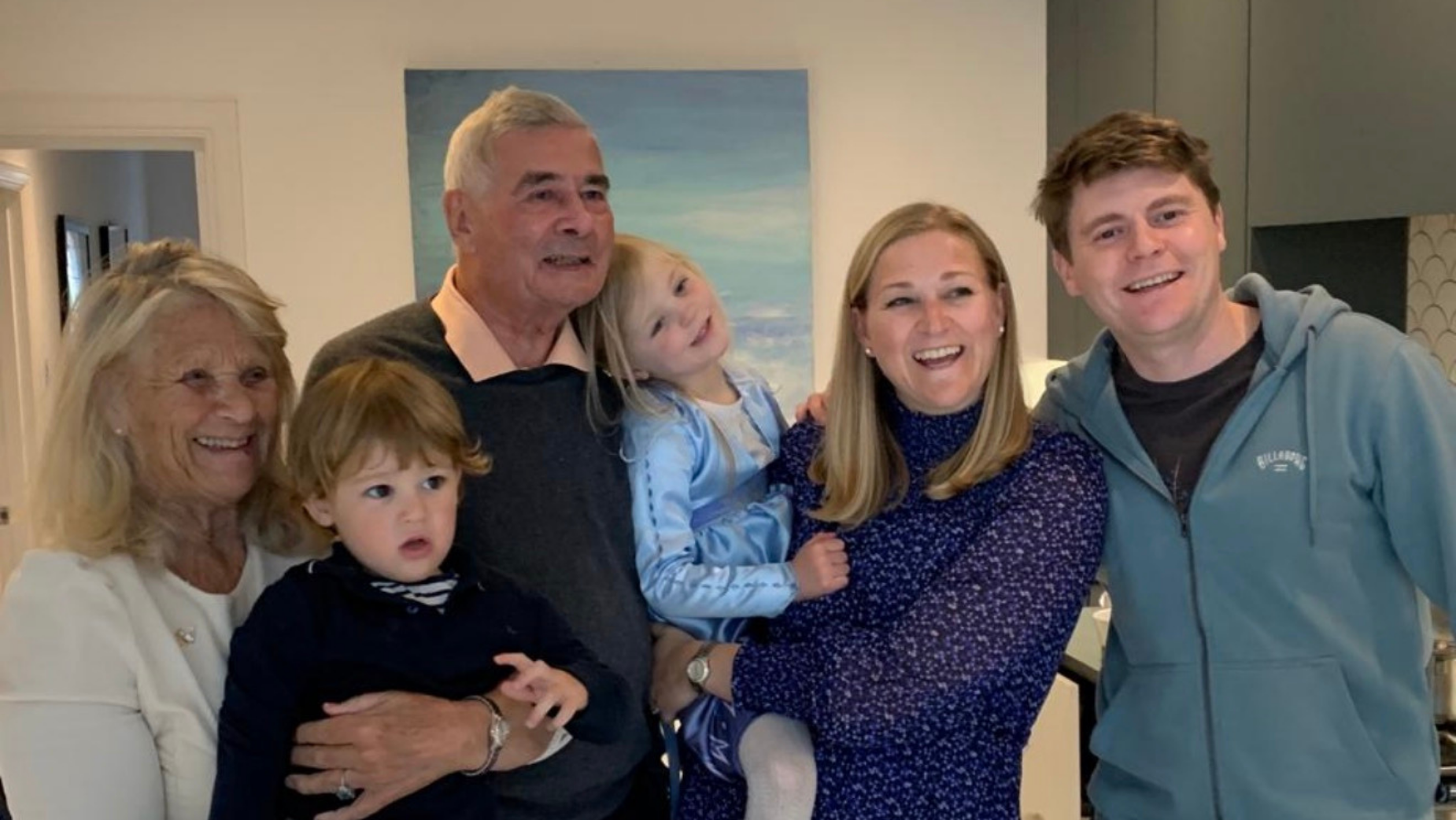
Caroline Ayling, marketing director at JAA Media, offers a personal perspective on why flexibility can determine whether mothers stay in the industry.

Motherhood in advertising has a way of turning everyday life into an exercise in logistics. The job itself may be demanding, but for many working mothers it is only one of a dozen things competing for attention at any given moment – from childcare and school runs to household admin, caring responsibilities and the question of who gets called when something goes wrong.

In this instalment of Motherhood in Adland, Caroline Ayling, marketing director at JAA Media, reflects on a working life shaped by freelancing, reduced hours, flexible working and the realities of raising two children, including navigating a SEND diagnosis for her youngest son.

From discovering that parenthood can make you ruthlessly efficient at work to confronting the financial and emotional cost of keeping every plate spinning, Caroline makes the case for a more flexible system – and asks why, even in supportive workplaces and supposedly equal households, so many of those plates still seem to belong to mum.

“How Do We Get Him Out of the Tree?”

It is 10:45 on a Thursday morning and my phone rings on silent – the school name flashes across my screen – for the third time this week. I’m on a Teams call with two other agencies talking about an event we are collaborating on to improve our clients’ creativity and effectiveness. 

Do I excuse myself? What if my child is in grave danger or has been rushed to hospital? Or do I ignore it? (Yesterday’s call was to ask if I could “stop allowing my son to come to school with a picture of his favourite pink train?”)

The mother in me cannot just watch it ringing and makes my polite excuses for a brief switch to ‘camera off and mute’. The teacher on the end of the phone seems to be trying to wrestle my autistic son out of a tree and is asking if I have any techniques that work at home. Well, lovely lady yes I do but they will not pass your safeguarding protocols so I suggest she waits it out, and then doesn’t let him near the tree again. I then make a mental note to speak to the family liaison officer tomorrow as I cannot be called every day whilst at work for non-emergencies – they are experts in this field (he is at a specialist school). I have a job to do – and he does have a father as well. Why is it always my phone that rings?! 

If this situation resonates, read on… if not, maybe hit up section six where I outline a few thoughts for society and government to consider. 

This column allows working mums in adland the chance to tell their story. Mine is unique and, like pregnancy and childbirth, we all manage motherhood in different ways. This way worked for me, to some extent, and has allowed me to see where the system is failing. This is one story, take what you need from it, challenge what you want to, if it helps one person, woman or man, just one percent then job done for me. 

Fertility and a Leap of Faith Leading to Freelance Flexibility

I was at a career crossroads when I got married and wanted to start a family. I was managing director of a boutique sports-cum-travel agency. It was a lifestyle business for the board but it wasn’t my lifestyle so it was time for a change. 

I had been diagnosed with POCS, now polyendocrine metabolic ovarian syndrome (PMOS), in my late teens so I had thought I would always struggle to have children. After we tied the knot and returned from our idyllic honeymoon both my husband and I embraced career changes. 

Instead of finding a new full-time job I decided to go freelance and give my mind and body some space to see if reducing work stress could free up my quirky ovaries. I got pregnant instantly. We will never know if that was my more stress-free environment or my funny ovaries were actually quite hardworking and my uterus quite hospitable. 

I have never been so totally and utterly shattered than that first trimester. Thank god I was only working three to four days a week. I slept every moment I wasn’t at a desk or on my commute into Moorgate. The female body is remarkable, but I have no idea why we have to hide what our bodies are going through in those first 12 weeks of creating human life. 

(Full disclosure here – I have not suffered baby loss, but I am not the norm, far more the exception. It may surprise some readers that one in five pregnancies results in miscarriage, although I suspect if you’ve got this far, you already know that. There are some amazing women in our world doing a huge amount to support and educate the industry and I would highly recommend following Jennifer Elworthy if this topic is close to your heart.)

My takeaway: More flexibility on when maternity leave is taken across the pregnancy and maternity cycle. Right now you can take leave from 11 weeks before your due date, based on the assumption that pregnancy itself is a fully-functioning nine months and the hard part starts once the baby bump is big and when the little one arrives. 

For those of us who physically struggle with pregnancy – and there are more of us than you’d think – that assumption doesn’t hold. Being able to draw down some of that leave, or move to reduced hours, in a brutal first trimester could dramatically improve both the pregnancy and the return to work that follows it. The system asks women to just push through what can be the worst of it on full hours, then hands them the flexibility later when it might be too late. 

The Freelance Advantage 

My early motherhood journey was very much set out “on my terms”. Pregnancy and I didn’t really agree, so working three-day weeks was what felt right for me. As it turned out, newborn motherhood and I didn’t really agree. 

I completely lost my identity, as many women do. I was no ‘earth mother’. Don’t get me wrong I loved my little froglet but after four months a former colleague asked if I could help out on a pitch. I was ready to re-engage my tired brain beyond bottle sterilisation and going to Hartbeeps as a morning activity. 

Well, we won the pitch and I was offered a part-time contract to fulfil the work. Perfect! I did a few consultancy projects on the side as well, all on my terms. The joy with freelancing is I was being paid to do a good job, my reputation depended on it, but I didn’t have to manage any of the office politics. 

During my five years freelancing, seeing through two pregnancies and births, I was able to experience life in-house (Accenture and Diageo), network agency side (WPP) and as a solo consultant. I learned a huge amount about myself. I am not a big-network person, I am not a lone-wolf worker. My freelance period allowed me to be a present and loving parent, and I believe saved me from some dark depressive days in early motherhood plus it set me up for my next chapter. 

My takeaway: Not all women want to take a full/structured maternity leave. I know not everyone has the luxury of choosing freelance, I did it in a time where I could find roles through my network but for me freelance meant I wasn’t held to timelines of when to return to the office. For many women their identity is woven into their day job and to just lose it all for 9-12 months seems such a black and white approach when there is room for grey and a more nuanced return for parents. 

The Efficiency Paradox 

I have yet to meet a more efficient person in the work environment than a new mother. A returning parent may need a little flexibility in their hours but trust me there is no bigger reason to get the job done well in order to get back home for bath time. I specifically don’t single out mums here as I believe this to be true of all returning parents whether mother or father.  

This is not to say returning parents withdraw from company culture but reduction in water cooler chat, no meeting creep, hyper-focus on the task at hand are all attributes of a returning parent. 

Historically we are an industry that measures presence as commitment, I’m very fortunate that at JAA hybrid working is actively encouraged and we have no fixed ‘office days’. We are trusted to get on and do a great job – where that takes place is up to the individual. 

My takeaway: Flexibility leads to greater efficiency especially with working parents. I actually think the pandemic gave working parents a leap forward on this one, a small grace from a horrifying time. 

What Workplace Stress? 

Aligned to the efficiency I mention above, my perception and understanding of stress completely changed after becoming a parent. Prior to motherhood it is fair to say I was defined by my job and career. I gave it everything. I would be consumed by work to the point where any kind of challenge or failure led to personal breakdown. I pity the poor male manager that had me in tears before I rushed out of the meeting room to vomit because I couldn’t seemingly find a solution for a client. I mean, looking back on it now, I needed to get a grip but actually I was burnt out and broken. 

When you have kids, it completely resets priorities and understanding of stress, particularly work-place stress. When you are responsible for a small human’s existence and survival, a challenge at work seems more fun than stressful – well, it did for me anyway. 

I would add here that this is where the real plate spinning kicks in. The stresses of being a ‘working mum’ are intense: childcare, drop-off and collection logistics, holiday planning (here I mean both managing time when kids are off school as well as actually organising family trips away), keeping a home going, the weekly shop, booking extracurricular activities, managing appointments (dental, medical, SEN – more to come on that) etc. Alarmingly this is the domain of mum, there are many male allies out there but not enough yet. I would recommend anyone interested in finding out more to follow Elliott Rae, founder of Parenting Out Loud and Lee Chambers, CEO of Male Allies UK. 

My takeaway: Becoming a parent recalibrates work-place stress. The stress doesn’t disappear but for me, I’d finally met something bigger. It’s telling though that the plates most working mums are spinning are still, overwhelmingly, theirs to catch. 

My Personal Pivot: SEND* Diagnosis  

*Special Educational Needs and Disabilities 

Shortly after our son’s second birthday my husband and I became acutely aware our youngest was not tracking typically. Milestones were missed and if I’d been given a strawberry for every time a friend said “Gosh, he’s full on isn’t he!” that summer my punnet would be overflowing. I was working three days a week – in the family business as marketing director of JAA, getting my teeth stuck into our proposition, new business and company growth. Work was great but at home, we knew something was up. Through the joys of the NHS system, it took us three years to get an autism diagnosis. 

Luckily for our son, I’m a whizz with paperwork (this is where new biz RFIs turn into a transferable skill!) and I had two days a week to dedicate to fighting for his EHCP. It arrived just in time for him to start school in a specialist environment. A place that taught him to speak and provided six teaching personnel for a class of eight. Let me tell you these women (and they have all been women bar one) are the modern-day saints who deserve so much more than what they currently earn. 

Many parents still feel a stigma around a neurodiversity diagnosis for their child. We leaned into our son’s difference and his autism but it is bloody hard. Harder than anything else I have ever faced, but it has made me a better person for sure. More understanding, more patient, more forgiving. For me it’s also been a type of grief and we are living a life we never thought we would. I was talking to a senior leader in the industry and we discovered we both had children with differences. We spoke about it as a club, once you know you are in the club, there is no judgement, just understanding and respect. 

At this point I want to highlight a few key, alarming stats about parents of SEND children: 

  • 62% of parents have given up work or reduced their hours in caring for their disabled child, resulting in an average £21,174 loss in family income. (Source: Counting the Costs 2024);
  • It costs on average three times more to raise a disabled child than a non-disabled child. (Source: Contact – Finance and Benefits 2026);
  • Only 16% of mothers of disabled children are in paid employment, compared with 61% of non-disabled children. (Source: DWP and Caring Among Families with Children);
  • Parents who leave work or reduce their earning potential through caring for a disabled child could retire with up to £138,000 less in their pension. (Source: People’s Partnership – The Parent Pension Gap 2024);
  • Thirty three to 40% divorce/relationship breakdown rate of parent carers since a child’s disability diagnosis. (Source: Contact and Disabled Children’s Partnership).

Being a working parent is already hard enough, these stats alone show the dramatic disadvantages and pressures SEND parents and in particular mothers are put under. 

Late last year we had a situation where even on four days a week I needed more support so my husband changed his hours, only ever so slightly, but enough to ease a point of stress for our family (the morning juggle of getting two kids to two different schools). We also have a nanny, a specialist who is trained in managing SEND children. Yes that is costly, but it is also a necessity as after school clubs are not an option for us. In order for me to work, which is my sanity driver, it has to be on a flexible basis and with paid support. 

My takeaway: SEND parents are superhuman – they need protections and support in and out of the workplace. 

The Big 3

If I could speak to government today here are my big three things:  

  • Parental leave reform
  1. More flexibility on maternity leave period starting at the first trimester  
  2. Shared parental leave as default, not opt-in, because equity at home and work starts with policy, not sentiment.
  • Childcare 
  1. Costs need sorting out. Quite often it is not a financially viable option for a parent to return to work, especially if you have more than one child under five 
  2. Annual leave / school-term mismatch – there needs to be a better solution. I understand the summer holidays is a throw back to the ‘Season’ – Parliament is even on holiday! Maybe we should work out a solution for the modern family which no longer has a homemaker in the kitchen dawn til dusk.
  • SEND reform
  1. More support for parents, especially single parents, for managing SEND children. A realistic understanding of the financial, professional and emotional costs of having a SEND child
  2. Educational reform that provides teachers, local authority decision makers and schools with better and more inclusive practices.

And Finally… Plate-Spinning Specialists Make Adland Superstars  

Two years ago I started seeing a therapist – I recognise this as a strength rather than weakness – and described my plate spinning as my coping mechanism. The more complicated life was getting, the more plates I put in the air. The perfectionist in me wouldn’t let any fall so I was spinning at breakneck speed. Here’s my list of plates that were whirring then; the strike-throughs are the ones I realised needed to come down: 

  • Day job at four days a week as marketing director of JAA;
  • Primary manager of household (shopping, cleaner etc);
  • Primary manager of two school aged children (WhatsApp, extracurriculars, school primary contact etc) ;
  • Primary lead on all SEN needs (paperwork, annual reviews, local authority liaison);
  • Employer (of our specialist nanny);
  • Trustee of charity (Duchenne UK);
  • Workplace voluntary roles: President of Bloom / Chair AMI CAT Group;
  • Netball coach (unpaid) to three adult squads.

Some new things have joined the list too:

  • Support to aging parents – I am part of a growing cohort in the sandwich generation of caring top and bottom of the family tree;
  • Self-care through gym work – good for mind, body and soul;

We are also trying to actively share the load at home more. We have agreed with the school that they can no longer call me to get our son out of a tree – emergencies only from now on and every now and again, just call my husband first. 

I have a supportive and loving partner and I am fortunate that I work for an organisation that encourages hybridity and rewards outcomes not outputs, deliverables not presenteeism. However, I have not returned to working and earning a five-day-a-week salary since I started freelancing in 2016. That is a decade of managing my working-mum load, my way. 

This article was originally entitled ‘A Plate Spinners Guide to Adland Motherhood’. Perhaps it should just be ‘Motherhood’ as adland can’t be held responsible for all the plate spinning us mums do! But I do think adland creates a remarkable type of woman and mother. Someone who is resilient, quietly confident, caring, challenging and an inspiration for the future generations of adland mothers to come. 
The Art of Character Design with Christine Peters

Christine Peters.DwC9smZY - NERD Blog - The Art of Character Design with Christine Peters

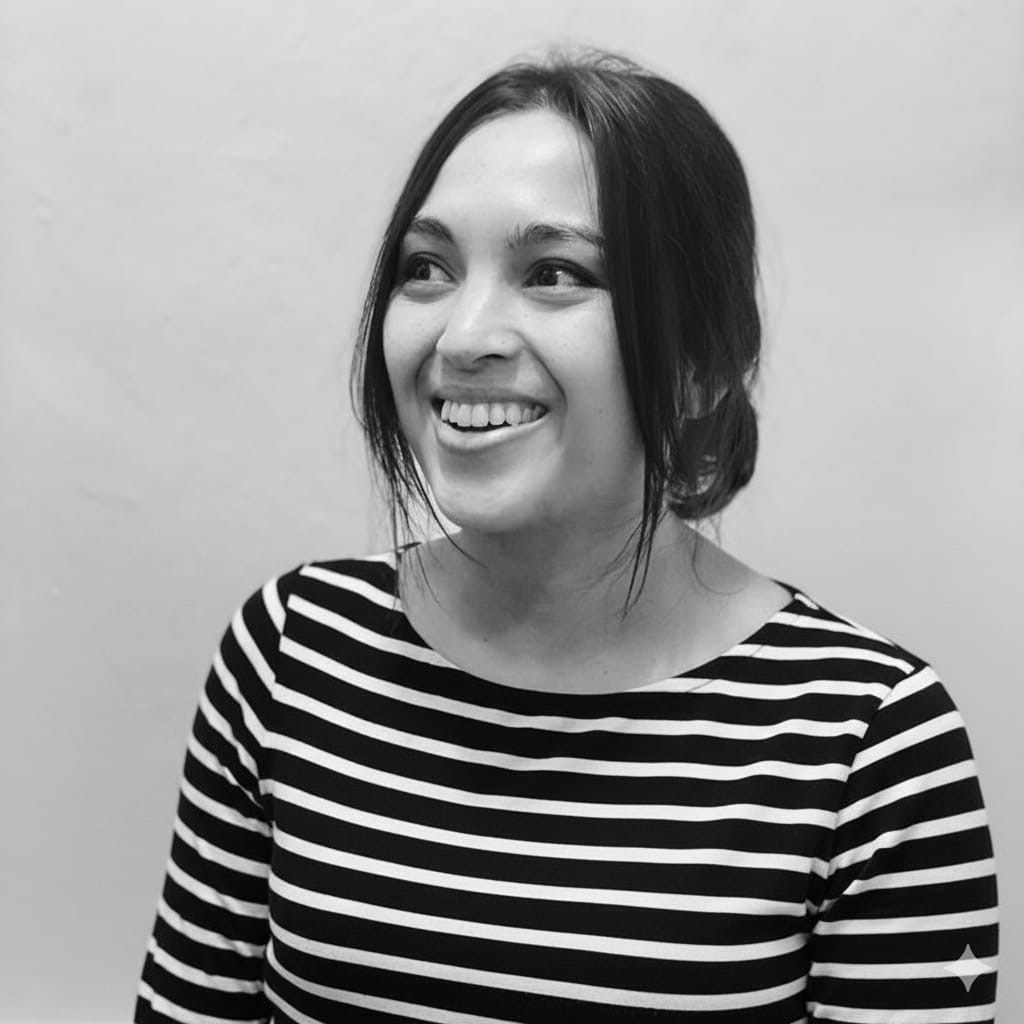
NERD Production sat down with Christine Peters to discuss her creative approach to developing character designs for a range of very verified briefs.

Christine Peters has shaped a career out of designing characters that are overflowing with flair and personality which shape and drive memorable narratives. She brings iconic characters to life through the medium of animation such as Netflix’s mega hit ‘Stranger Things’.

In this feature from NERD Production Christine discusses her creative approach to developing character designs for a range of very verified briefs.

BRINGING THE CREEPY WORLD OF ‘STRANGER THINGS’ INTO A 2D SETTING

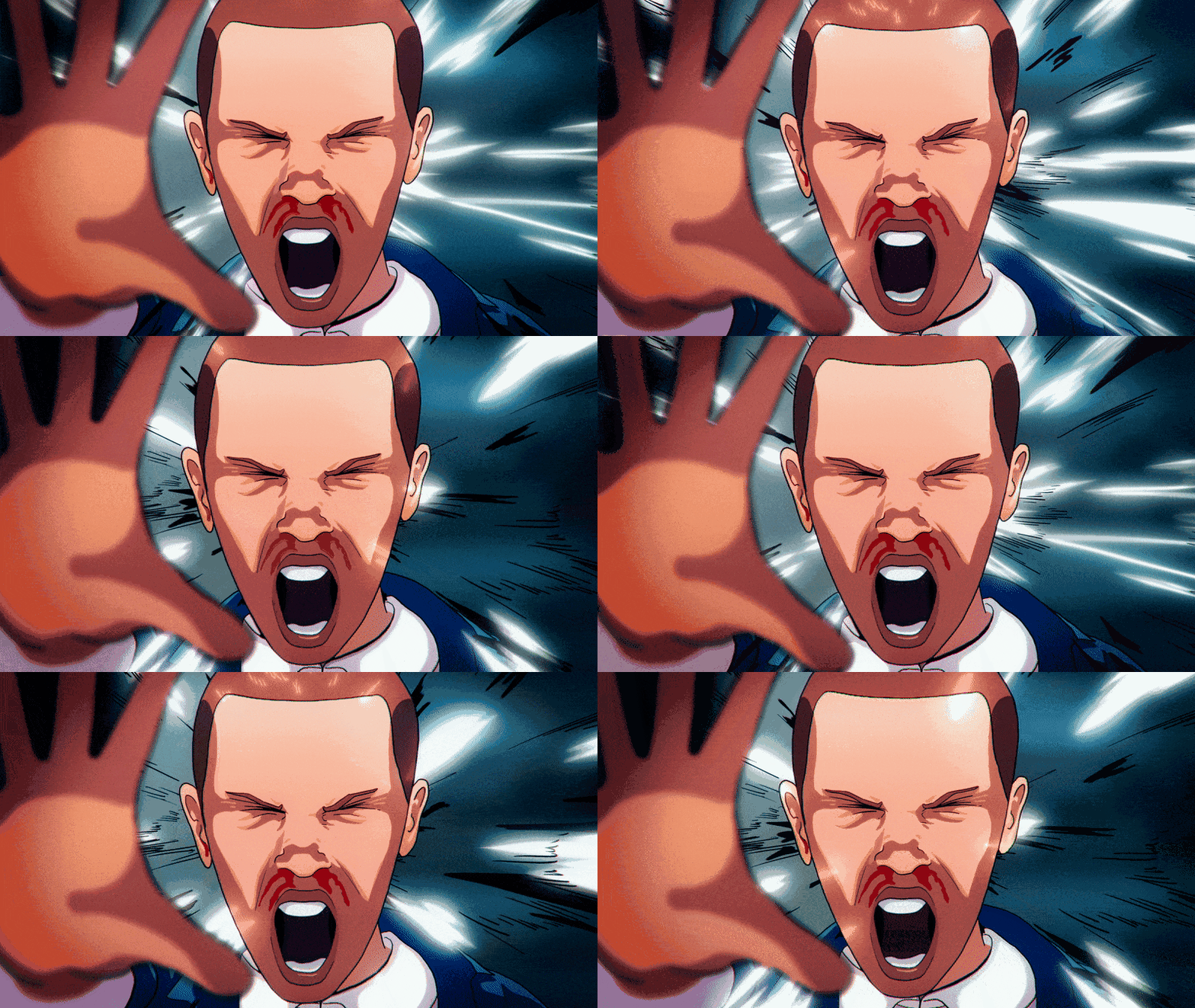
Christine starts things off by going back in time to 1980s Hawkins India as she discusses how she brought to life the dark world of ‘Stranger Things’. Where she had the monumental task of creating animation for one of the most popular TV series ever.

Q: First of all, were you already a fan of the series and how much did that influence your creative choices?

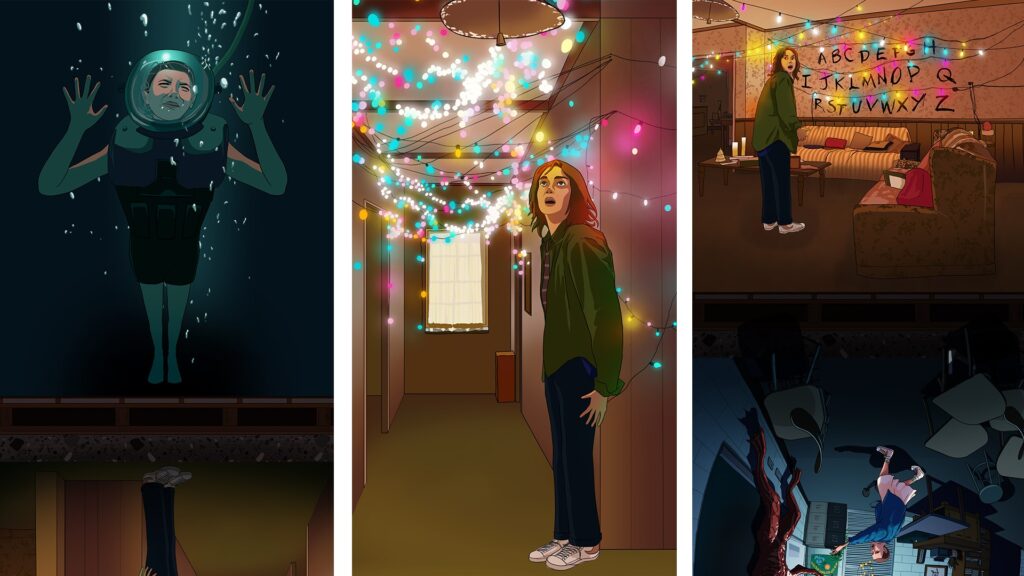
Christine> I absolutely loved the show long before we got to work on the teaser. Watching the show over the years we had a really good understanding of how the actors’ features changed as they went from children to young adults. We focused on the first season so we rewatched the series from the beginning. From the outset we and the client were aligned in wanting to really capture their likenesses in a more simplified form – a more life like anime style.

strangerthingscharacter.s XHQ0bt - NERD Blog - The Art of Character Design with Christine Peters

Q: Did you draw inspiration from any other famous pieces of pop culture when creating the look and feel for this animation teaser trailer?

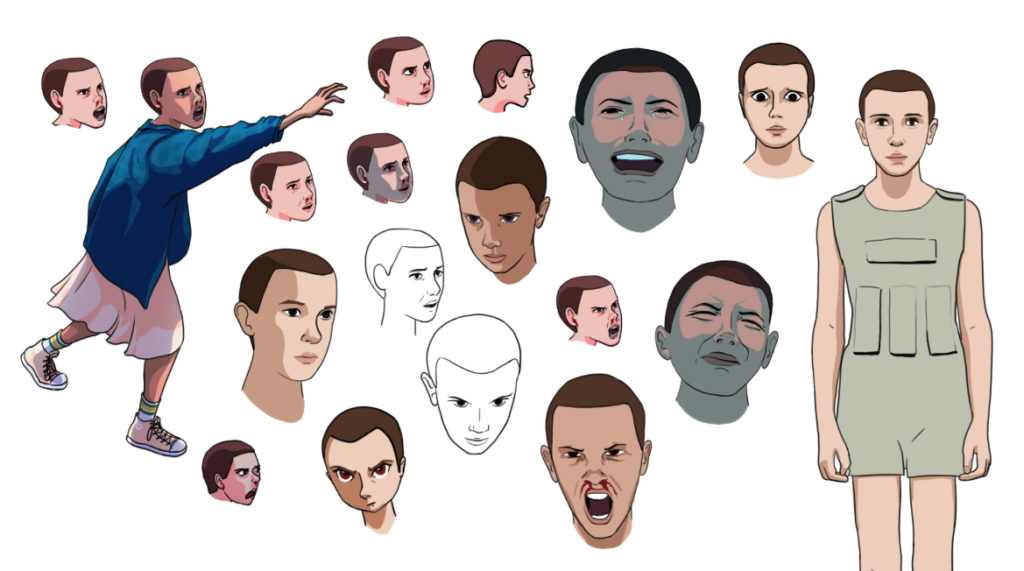
Christine> I particularly loved the retro look and grading of the show; the use of bright pop art colours and the distinctive lighting really informed how we went about designing the overall look. When designing Eleven and Joyce Byers I really wanted to get the likeness just right whilst also leaning into ’80s style anime. Unbeknown to us when we began, we needed to get Winona Ryder’s team to sign off her character design before moving onto animation. It was such a great feeling to get this signed off in the first pass, she is the ultimate 1980’s icon!

strangerthingscharacter2. VyyGcPJ - NERD Blog - The Art of Character Design with Christine Peters

Q: Does the prep change when working on transporting actors into the world of animated characters?

Christine> Definitely, the groundwork for creating a character is already laid. We already know what drives them, what they like and dislike, their range of emotions. With ‘Stranger Things’ we had such a large back catalogue to reference from. With most other projects that we design that we create character designs for, it is unusual to have so much pre-existing material to work with.

On Continental for instance the character designs we came up with initially informed the casting of the actor they got in for the live action segments of the film. We then tweaked the design to get the likeness of the actor. The live action element ended up being shot halfway through the animation process, so we had his casting photography and looked through his previous work to inform our designs of him.

THE PROCESS OF DEVELOPING CHARACTER DESIGNS

In this section Christine discusses her process on creating character designs that she’s pitching on vs character designs that come to her through scripts.

Q: The ‘Stranger Things’ script was something you worked on pitching, how would the creative process differ from a script that comes to you?

Christine> Typically the client or agency will approach us with a script or an idea that we then go on to develop together. Sometimes that involves tweaking the script, or elaborating on the story by doing a very initial storyboard.

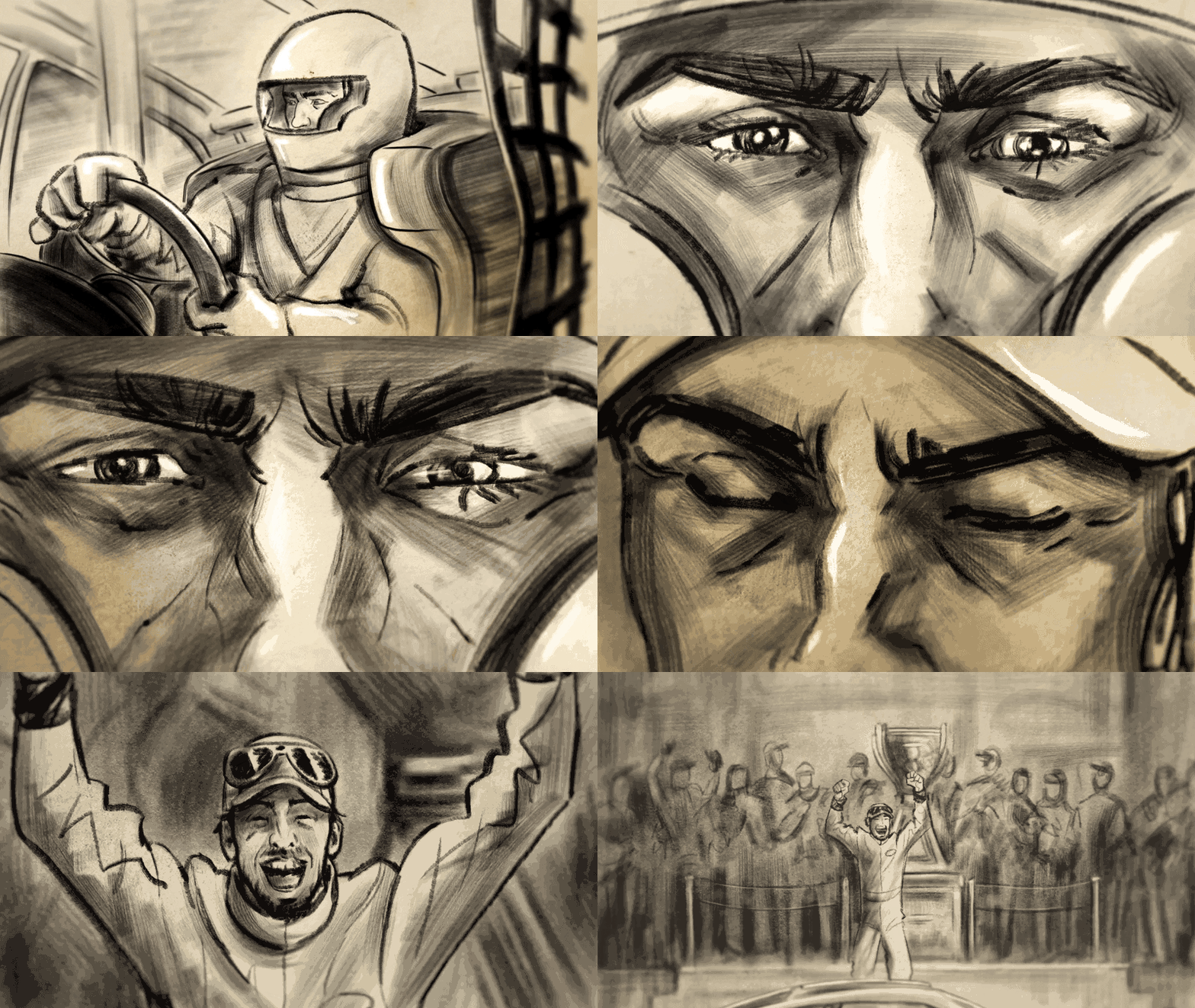
I find storyboarding a particularly fun stage, you can really get a feel for the pacing and how well an idea translates visually from the script. You can easily play with the narrative, chop bits out, slide things around and really hone into the story you are trying to tell.

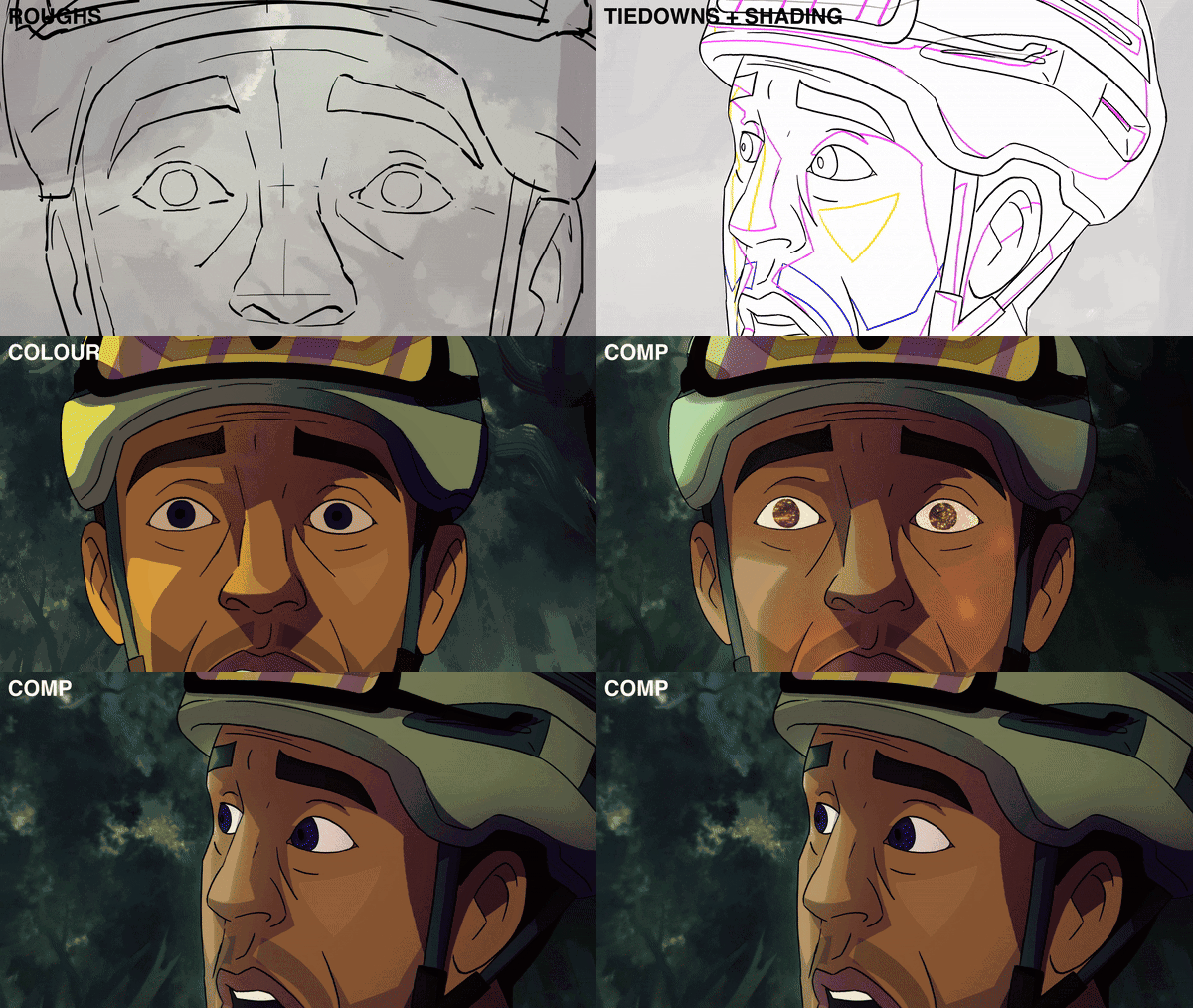
For the Continental spot this was especially true; once we had the first draft of the storyboards finished it became clear what was and was not working. We swapped scenes and tweaked the staging of shots to build more tension of foreboding and the magic was born.

453ab670f303578c.3LbVgPF4 - NERD Blog - The Art of Character Design with Christine Peters

ORIGINAL CHARACTER DESIGN’S AND DEVELOPING AS A DIRECTOR

Q: What’s the first step you take when coming up with new and original character designs?

Christine> On most projects I have directed storyboarding and character design happen simultaneously. For storyboarding it is about the framing of the picture, the gestures, camera lenses and angles, whilst character design is much more specific, honing in on the overall look of the character and the poses they take on to illustrate who they are. Before committing pen to paper I will brainstorm who I think the character is, taking what I can from the script and building up a more detailed picture of who they are. I will start off with some very basic shapes, creating contrast and playing with scale – very much in the realm of doodling.

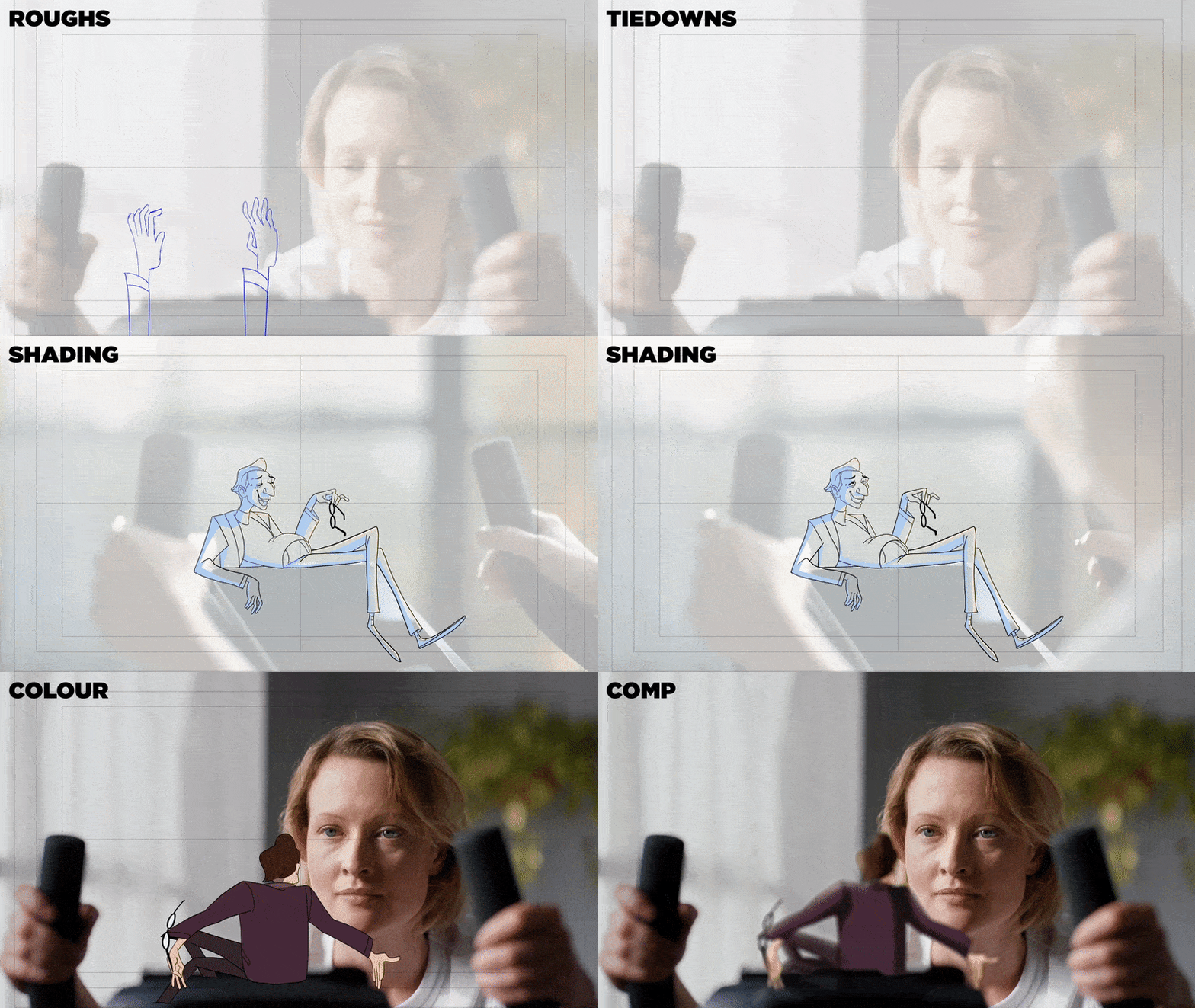
For Arden we actually didn’t have a storyboarding phase as such as the live action had already been shot before we started pre-production. Instead we set about character designing with a rough idea of where the tiny critic Tarquin would be in each shot. Once this was locked down we set about drawing up style frames with him in key poses. These were lit and composited roughly for each shot. It ended up being a really close collaboration between concept artists and the animators.

AU ANIM SH006 breakdown v01.vw2FjUAk 2 - NERD Blog - The Art of Character Design with Christine Peters

Q: What skills have you learnt from doing other roles that have shaped you as a director?

Christine> In the past, having worked at a very small animation studio gave me the opportunity to be hands-on at every stage of the animation process. I have always tended towards more narrative based animation, and took a short course in storyboarding at Central Saint Martins at the beginning of my time there. This skill has been invaluable throughout my career – understanding how to communicate stories through images, and also how to brief a storyboarder to bring a vision to life.

Having gotten to work at every stage in the animation process it has given me a solid understanding of the animation process from 2D, motion graphics to 3D. I am always looking to push what can be achieved visually, integrating 3D elements into traditional animation via backgrounds and compositing. To create the look for Arden’s character Tarquin we took mattes made in TVPaint and pumped them through a Cinema4D setup to generate soft highlights and shadows in line with the footage to composite him into the shot.

Q: What tool or piece of technology do you enjoy using the most when developing the character?

Christine> Either a pencil and paper or my trusty portable Cintiq, plus pinterest is a goldmine for collecting inspiration for look, clothing and general vibes. I’ve been lucky enough to have gotten to paint up characters with ink or watercolour which is always a treat. Back at my old studio we had a giant cork board for pinning ideas and drawings, there’s something rather special and tactile about having the collection of images right in front of you to piece together a project. If not then a gigantic Miro board will suffice.

Q: What do you think makes memorable character design?

Christine> The most memorable characters to me are the ones where I have had the most visceral emotional reactions to. The first being the Devil from Fantasia, as a child this would guarantee me being in floods of tears at the sheer terror of this section of the film. The Devil is designed with such a strong angular silhouette and posing, it amplifies his role in the narrative tenfold. This character has really informed the design decisions in my own work such as the design of the main character for Arden University. His spikey nature and posing emphasise his role in the story; gently prodding at the woman’s insecurities and perceived lack of confidence.

Another character that I have come back to time and time again is the Snowman, another classic from my childhood. The soft and friendly shaping of the character is enhanced further with the hazy pencil rendering, playing up to the notion that rounder shapes are more friendly, safe and cute. It plays into how we are wired, the reaction we find ourselves having when faced with babies and young animals with their large eyes and rounded proportions. It makes the viewer empathise with the child and snowman alike, the warm and safe feeling you get with this protective character. It makes it all the more devastating when the sun rises and the inevitable happens.

These two characters are very much opposite ends of the spectrum, the character designs they have been given really hammer home the emotional connection the viewer has to them.

Motherland in Adland: “The Workplace I Wanted Didn’t Exist. Motherhood Made Me Build It”

Ange - NERD Blog - Motherland in Adland: "The Workplace I Wanted Didn’t Exist. Motherhood Made Me Build It"

Stitchy founder Ange Douglas reflects on navigating single motherhood and redundancy to build an agency where parents never have to compromise or apologise

​Motherhood in advertising has long been an unspoken challenge – a career-defining crossroads where ambition is too often questioned, and support systems fall short. And while the industry has made progress in acknowledging the realities of working parents, tangible change is still slow, leaving many mothers to navigate the journey alone.

In this instalment of Motherland in Adland – the series founded by NERD’s Milana Karaica in partnership with LBB – we hear from Ange Douglas, founder at Stitchy.

She reflects on navigating a sudden redundancy and becoming a single mother just before her son was born. Here, she explains how those challenges sharpened her ambition and pushed her to build an agency where parents never have to compromise, apologise, or feel guilty for putting their children first.

When I was pregnant with my son, I thought I knew exactly what the next chapter of my life would look like.

I’d become a mum, take a year off on maternity leave and then go back to work. That was the plan.
But life had other ideas.

When I was seven months pregnant, my marriage ended. Overnight, I found myself navigating a completely different life to the one I’d imagined. Becoming a first-time mum is overwhelming enough, but becoming a single mum before my baby had even arrived wasn’t something I’d ever planned for.
Like most new parents, those first few months were a blur and I was very much in survival mode. Learning how to do it on my own, day by day and eventually my little boy and I found our rhythm.
When the year came around, I felt ready to get back to work. I’d found my footing as a mum and was ready to keep building a life for my little boy and me.

Then, a couple of days before I was due to return from maternity leave, I was made redundant. At the time, it felt like just another reminder of how unfair life can be sometimes.

But looking back, it was the best thing that could have happened.

A couple of jobs later, while juggling being a mum and trying to find my place in the world of work again, I realised that somewhere along the way, motherhood had completely changed the way I thought about work.

Before my son, I had accepted things I wouldn’t ever accept now. Toxic workplaces. Long hours just because that’s what everyone did. Days off that weren’t really days off. The expectation that work always came first. Giving everything to businesses that expected more and more, but rarely anything back.
I never really questioned it.

Motherhood made me question all of it.

For the first time, my time wasn’t just mine anymore. Every unnecessary late night meant less time with my little boy. Every expectation to work on a day off meant missing moments I could never get back.
When you’re responsible for someone else, you become much clearer about what actually deserves your time and energy.

I realised I wasn’t willing to keep giving everything to businesses that saw people as replaceable.
I’d spent years helping build other people’s businesses.

Now I wanted to build something myself, something different than what I had experienced before.
What I would say is that there’s always this idea that you should wait for the right time to start a business.
When I started Stitchy, I was rebuilding my life, navigating family court and raising a toddler. My personal life was incredibly stressful and, on paper, it probably looked like the worst possible time to start a business.

But there is no perfect time. If I’d waited until life felt calm enough, Stitchy wouldn’t have happened.
Motherhood made me trust myself more than I ever had before. It made me more resilient, more decisive and much less afraid of taking risks. Once you’ve navigated becoming a single parent, starting a business doesn’t feel quite so scary.

A year and a half later, Stitchy is going from strength to strength, but the biggest thing it’s given me isn’t the success.

It’s the flexibility and freedom to parent my little boy exactly how I want to.

To be there for the important moments. To take time off when he needs me. To never have to ask someone else’s permission to be a parent.

There’s so much pressure on working mums. People expect mums to work like they don’t have kids and raise kids like they don’t have a career. It leaves you feeling like you’re failing at work because you’re trying to be a good mum, or failing as a mum because you’re trying to build a career. It’s an impossible standard that asks women to constantly compromise, apologise and feel guilty.

One of the biggest reasons I started Stitchy was because I wanted to build the kind of workplace I’d spent years looking for but never found. One where becoming a parent wasn’t seen as an inconvenience. Where people could build ambitious careers without feeling like they had to sacrifice everything else that mattered to them.

We have parents in our team, and they will never be made to feel guilty for putting their children first. If their kid is ill, they stay at home. If it’s sports day, they go. If they need to leave early for parents’ evening or a doctor’s appointment, they don’t have to justify it.

When we stop pretending life only happens outside work, we build better cultures and, ultimately, better work.

Too often, flexibility is treated as a favour rather than a way of working. Too often, women return from maternity leave feeling grateful for things that should simply be the norm. Too often, we celebrate resilience when we should be questioning why people had to be resilient in the first place.
Motherhood didn’t make me less ambitious. It just made me much clearer about the kind of business I wanted to build.

For me, success is building a business I’m proud of while still being there for the moments that matter most.

I hope one day agencies like Stitchy won’t feel different.

I hope trusting people, recognising they have lives outside work and making space for both ambition and parenthood simply becomes normal.

Because it should be.

ANIMATION DIRECTOR AND ILLUSTRATOR CHRISTINE PETERS JOINS NERD TALENT ROSTER

Christine - NERD Blog - ANIMATION DIRECTOR AND ILLUSTRATOR CHRISTINE PETERS JOINS NERD TALENT ROSTER

The wonderfully gifted Christine Peters joins the NERD Productions talent roster. Christine thrives at the intersection of traditional artistry and modern motion design with over decade of experience shaping visual narratives across an extensive range of projects in advertising, television and film and earning a few industry awards along the way!

Her craft is fuelled by a love for illustration, narrative based storytelling frame-by-frame, character design and stylised motion graphics with a strong desire to always be looking at punching the boundaries of what is possible in animation. 

Over the years Christine has lent her skills and imagination to various big names brands and high profile briefs, which includes the likes of Netflix’s Stranger Things, Nissan, Kellogs, Brit Box, Microsoft and Unicef to name but a few.

strangerthings - NERD Blog - ANIMATION DIRECTOR AND ILLUSTRATOR CHRISTINE PETERS JOINS NERD TALENT ROSTER

Christine on joining NERD Production – “I am incredibly thrilled to be embarking on this next adventure joining the NERD Productions talent roster as a Director. NERD’s reputation for innovative storytelling aligns perfectly with my own creative ambitions, they stand out for championing unique voices and nurturing talent that is both diverse and inclusive. I’m really looking forward to pushing my creative boundaries, expanding my directorial vision, and diving into fresh techniques alongside some of the best in the business.” 

Milana Karaica, Founder & Producer of NERD Productions – “Having a skilled artist like Christine is invaluable; Her distinctive style as a director combined with her desire to always push the limits of what is possible in animation is incredibly exciting and we can’t wait to craft together.”

339bd4e8ef0baa5f - NERD Blog - ANIMATION DIRECTOR AND ILLUSTRATOR CHRISTINE PETERS JOINS NERD TALENT ROSTER


To view more work from Christine click here

Motherland in Adland: Together, Let’s Be the Village

Kate Motherland.bGeEIhQN - NERD Blog - Motherland in Adland: Together, Let’s Be the Village

Senior producer Kate Hinton explores the magic of the production village and why rigid return-to-office mandates risk pushing diverse talent out of adland.

Motherhood in advertising has long been an unspoken challenge – a career-defining crossroads where ambition is too often questioned, and support systems fall short. And while the industry has made progress in acknowledging the realities of working parents, tangible change is still slow, leaving many mothers to navigate the journey alone.

In this instalment of Motherland in Adland – the series founded by NERD’s Milana Karaica in partnership with LBB – we hear from Kate Hinton, senior producer, performer and writer.

She reflects on her journey from a working-class single-parent household in North Yorkshire to navigating the precarious logistics of single motherhood in adland. Here, she explores the beautiful magic of the production “village” and warns how rigid return-to-office mandates risk pushing out the very diverse, adaptable talent the industry needs to thrive.

There is something incredibly beautiful about initiation. About the birth of an idea. And also the birth of a real live human… creative magic at its best.

Whether it’s a film, a campaign, a documentary, a photograph, a piece of theatre, or raising a child, there is always this invisible human current running underneath it all. Time. Love. Logistics. Money worries. Pressure. Creative tension. Endurance. People trying to align emotionally and practically to create something impactful, authentic and original.

That, to me, is the beauty of the creative industries, and the layers and evolution of motherhood.

From the first spark of an idea to the final viewing experience, there are hundreds of human interactions pulsating all the way through it. Camera teams. Producers. Post production. Runners. Editors. Sound designers. Colourists. Costume. Hair & make up. Clients. Directors. Writers. Assistants. Photographers — the ever-important list of people goes on. All from completely different walks of life somehow trying to move towards one collective goal.

And some of the most magical productions I’ve ever worked on have been built by people from entirely different backgrounds, identities, sexualities, ages and perspectives somehow finding rhythm together. That is the magic of creative collaboration at its best. Not tokenism. Not corporate box-ticking. But people genuinely being seen, respected and valued for both their humanity and their talent.

Sometimes I think if society echoed the same understanding, adaptability and collaborative spirit that happens within the production process and on great shoots, we would genuinely be in a far better place.

I was raised in a working-class single-parent household in a village in North Yorkshire, and by gum, that village carried me. Neighbours. Humour. Community. Resilience. People stepping in when needed. It truly does take a village.

Which is why I find it kind of ironic that we create huge amounts of content designed largely to be consumed alone through our glowing screens, despite the immense amount of human collaboration, emotional intelligence and collective endeavour it takes to make it all happen in the first place. I say — long live the cinema, and the shared experience of audiences coming together to feel the beauty of all that work on the big screen.

As someone who has worked across production for many years, from interviewing at London Fashion Week and working on groundbreaking science programmes at the BBC, to producing music videos, fashion films, huge TVCs, documentaries in the wilds, social content and integrated campaigns, whilst also acting, writing, creating and now pitching my own dark surreal comedy series, I still graft hard between the constant logistics of single motherhood.

And I still genuinely love this industry.

I love the people. I love the stories. I love the madness of trying to pull something brilliant together under pressure and then seeing the connection and impact when it’s finally out there. I have a real thirst to stay curious, collaborative and connected, now with a slightly more motherly edge at heart.

But I also think many of our systems are no longer reflecting the realities of modern life.

Production itself constantly adapts. Weather changes. Budgets shift. Talent drops out. Creative changes happen overnight. Entire teams pivot continuously to make things work. Yet ironically, many workplaces now operate with increasingly rigid expectations around returning to the office across the board, despite the fact we proved during lockdown that flexibility and trust were entirely possible.

Like many people, I moved to the Kent coast during lockdown. Partly for affordability, partly for my children’s lives, but also because I wanted nature on our doorstep. I work incredibly hard, but I also don’t believe human beings are designed to exist entirely through screens, schedules and work titles.

We are multifaceted.

We need sea air. Grass under our feet. Space to think. Space to breathe, when possible. Especially in industries where so much of our lives are spent attached to machines.

If anything, I think the industry has to become more honest about the fact that people can deeply love their work without wanting their entire identity consumed by it.

Since lockdown, the pendulum has swung heavily back to three-days-a-week office culture. While I absolutely understand the importance of collaboration and physical connection at times, the reality is that blanket rules simply do not fit everybody equally.

For single parents especially, the financial and logistical pressures can become immense. Commuting costs are extraordinary, childcare remains incredibly expensive, and Brexit significantly impacted access to affordable long-term au pair support for many families. Freelancing, whilst creatively liberating in many ways, comes without any real parental safety net whatsoever.

I remained freelance for years partly because it allowed me to continue working remotely whilst remaining geographically close to my children. I’m deeply thankful for the opportunities and brilliant teams I’ve worked with during that time. But there’s no denying freelancing can also be precarious, inconsistent and emotionally exhausting.

I also have huge respect for the continual work Anna Whitehouse, AKA Mother Pukka, has done for making significant noise and impact around flexible working and modern parenthood. These conversations matter deeply because they are not simply about convenience, they’re about humanity, access and allowing people to participate fully in both work and life. As with productions, we need to evolve and adjust where needed in real life too.

When you look at countries like Sweden, Denmark and Norway, there is clear evidence that more flexible, trust-based approaches to work and family life can lead to healthier, happier and more productive societies. Strong parental support and healthier work-life balance are proven investments in people and long-term wellbeing.

I think the UK has a real opportunity to evolve here. To modernise not just technologically, but emotionally and socially too. It’s okay for systems to change when we can clearly see healthier, more supportive ways of living and working being successfully implemented in other countries.

And what concerns me now is not simply flexibility for parents. It’s the wider risk of who quietly gets pushed out of our industries when systems become too rigid. Working-class talent. Regional creatives. Single parents. Neurodivergent creatives. Graduates trying to gain footholds. Older creatives with enormous value and experience.

We cannot champion diversity within creative output whilst structurally narrowing who can realistically remain within the industry itself.

Because salaries are increasingly competitive. London is extraordinarily expensive. Arts funding and creative subjects continue to be stripped back in schools. And if we’re not careful, we risk drifting backwards towards industries that feel accessible only to the financially privileged.

The arts aren’t a ‘nice to have’. The UK creative industries contributed an estimated £145.8 billion to the economy in 2024 and supported around 2.4 million jobs across advertising, film and television, music, gaming, design and the wider arts sector. Which is why it feels such a stark contradiction that creative subjects and arts funding continue to be stripped back within education at the very moment we should be nurturing imagination, emotional expression and future creative talent more than ever.

At a time when AI and digital consumption are accelerating rapidly, creativity and storytelling are not simply entertainment, they are part of what keeps us human. The arts improve emotional wellbeing, empathy, confidence, communication and social connection. They bring people together across generations and communities, helping people feel seen, understood and less alone.

If we stop properly investing in creativity, community and human expression, particularly for younger generations, we risk losing far more than industries or jobs. We risk losing part of the emotional and cultural fabric that connects us to one another in the first place.

Motherhood itself has actually deepened my creative perspective enormously. It sharpens your emotional intelligence, resilience, adaptability and understanding of human behaviour. It forces you to become more efficient, instinctive and empathetic all at once. Those are not weaknesses within production and storytelling. They are strengths.

As somebody who has mentored younger people throughout my career, I feel hugely passionate about protecting pathways into this industry for the next generation. One of the driving forces behind a series I’ve developed is building paid apprenticeship opportunities into the production itself for young working-class crew who may otherwise never gain access to these spaces.

And at the core of it all, our industry needs to remember that human beings are not one-size-fits-all. The more flexibility, trust and understanding we allow within working life, the more people are actually able to thrive creatively.

Life ain’t linear. We all face adversity in life and work at different stages along the way, but if there’s one thing the production world teaches you, it’s that people work best when there’s kindness, communication, flexibility and support. We adapt. We problem-solve. We pull together. And perhaps there’s something in that collaborative spirit that wider life could learn from too.

Motherland in Adland: ‘One More Push,’ the Parallels of Production and Childbirth

aziza bhatia - NERD Blog - Motherland in Adland: ‘One More Push,’ the Parallels of Production and Childbirth

SALT.TV managing director Aziza Bhatia draws raw parallels between production and childbirth, exploring how the beautiful chaos of both requires a village

​Motherhood in advertising has long been an unspoken challenge – a career-defining crossroads where ambition is too often questioned, and support systems fall short. And while the industry has made progress in acknowledging the realities of working parents, tangible change is still slow, leaving many mothers to navigate the journey alone.

In this instalment of Motherland in Adland – the series founded by NERD’s Milana Karaica in partnership with LBB – we hear from Aziza Bhatia, EP and managing director at SALT.TV.

She reflects on her 25-year career in independent production, navigating the lack of maternity support within SMEs and the stark financial realities of raising a family on statutory pay. Here, she explores the raw parallels between the “beautiful chaos” of raising teenage girls and the grueling but deeply rewarding process of bringing a creative campaign to life, reminding us that both take a village.

Please take what I say with a pinch of salt.. but as a mum, EP and MD of SALT.TV I’ve learnt a few things over the years about juggling the world of advertising with the beautiful chaos of raising children and have noticed some similarities. 

All I have ever known is the world of production, and by default, working in SMEs. My 25 year long career has been with one foot in each of these camps. When it comes to having a baby, neither camp is particularly progressive. Maternity leave is not commonplace in SMEs. It’s very much a case of what the business can afford and with an industry so heavily invested in young, up and coming talent, full time roles are hard to come by, let alone maternity packages. I was one of the majority, relying on the government statutory maternity weekly pay of £130 (as it was then) to help me buy nappies. Better than a kick in the teeth I thought. 

To me personally, producing ads is much like the process of giving birth. Endorphins take over and the pain is far too easily forgotten. The late-night client calls, the exhaustion, the budget ‘can we even afford this? To the team wide wonder as to ‘when on earth will this all be over?’ But the light at the end of the tunnel is, the result, the baby… And I don’t mean the KPIs. It’s the material product and the act of production that makes it all worthwhile. 

Production teams and production crew are like family. If we are lucky enough to get through the ups and downs of a production, we are on an all-time high, together. Celebrations when you win a job, celebrations when you wrap a job, with a rather painful bit in between! Making an ad is much like raising a child, it takes a village. It’s a hugely emotional experience, at the end of which, you are just grateful to have been given the chance. The people involved make you raise your game, as your kids do. 

Now, however, as a 49 year old woman and mum of two teenage girls, I see things differently. I get so much back as a mum and EP. Both lines of work continue to be hugely challenging and the juggle of both simultaneously can oftentimes take you to the brink.

But at the end of the day, I know that I am SO lucky, despite all the odds, to be doing what I do. The stressful moments are made up for by the beauty of what we have made and the massive pleasure of being around those amazing humans who helped us through the hard times. 

Aziza Bhatia - NERD Blog - Motherland in Adland: ‘One More Push,’ the Parallels of Production and Childbirth

Childbirth is a leveller in the same way as creativity is a leveller. It’s in those times of sheer basic need that we are all equal, that we all reach out to ask for help or to help without being asked. And I hope that we do more of that in life generally, especially now.

Motherland in Adland: Intuition – A Way Forward

Victoria Azerian.YTh4M 75 - NERD Blog - Motherland in Adland: Intuition – A Way Forward

In this instalment of the series, Victoria Azarian, fractional CCO and brand strategy partner, reflects on how leading with intuition – not rigid ambition – shaped her journey through creative leadership, adoption, single motherhood and redefining success

Motherhood in advertising has long been an unspoken challenge – a career-defining crossroads where ambition is too often questioned, and support systems fall short. And while the industry has made progress in acknowledging the realities of working parents, tangible change is still slow, leaving many mothers to navigate the journey alone.

In this instalment of Motherland in Adland – the series founded by NERD’s Milana Karaica in partnership with LBB – we hear from Victoria Azarian, fractional chief creative officer and brand strategy partner.

Victoria reflects on a career guided by instinct, curiosity and creative courage. From leading award-winning AI work to challenging outdated norms around motherhood and adoption, she shares how intuition shaped her most meaningful choices. Her story is a reminder that redefining success on your own terms isn’t naïve – it’s powerful. Especially when it makes space for presence, care and long-lasting impact.

I never had a plan.
No five-year plan.
No 10-year vision.
No carefully plotted ladder for my career or my life.

Maybe that sounds naïve. For a long time, I worried that it was. Everyone else seemed to know exactly where they were going. Married by 30, kids by 32, executive creative director in six years. That wasn’t me. 

What I had instead was a sensitivity to feeling. I knew when something felt right and when it didn’t. I followed the work that energised me, the rooms where I felt most alive, and the people I admired and who admired me, not just for their creative output, but for shared values. They weren’t just coworkers. They were supporters. Friends. Allies.

“I followed the work that energised me, the rooms where I felt most alive”

Over time, I learned to recognise the difference between those who were truly in my corner and those who were simply benefiting from my effort. I was deeply trusting early on, and that trust was sometimes misplaced. But those moments became my greatest teachers. They sharpened my intuition and taught me to listen more closely to my instincts. Learning to trust my gut became my greatest strength.

Early in my career as a young creative director, success was conventional: big account, bigger title, a seat on a Cannes Lions jury, more money. I was one of only a few women creative leaders on the biggest account at the agency, surrounded mostly by men. It felt lonely, outside the boys’ club. Sometimes the doubt was loud and direct. “Women suck at design”. Other times it was quieter, framed as a “just checking in,” as if to measure my effort rather than support it. Yet, there was one leader who truly saw me. He took me under his wing, offered guidance when I needed it most, and spoke up for me in rooms I wasn’t in. I’m forever grateful to Lou for that support.

Either way, belief from others or even from myself wasn’t always there. Perhaps because I didn’t fully trust myself yet, and they sensed it. I learned to push anyway, stepping forward before I felt ready, trusting that confidence would follow action.

“I learned to push anyway, stepping forward before I felt ready, trusting that confidence would follow action.”

When the best briefs didn’t land on my desk, I took the ones others passed on. When my ideas were ignored, I made a point of getting them seen. I found my voice and with it, made both the work and me harder to overlook. I was once told by the CEO of a big agency, in a global leadership meeting, that I asked too many questions. It was embarrassing, and I felt small, but I didn’t let it show. I understand now that those questions were how I learned, challenged assumptions, and ultimately became the leader I am today.

When I led teams, I didn’t dictate. I didn’t judge. I guided. I coached what I learned to share knowledge. I gave people space to explore and grow on their own, leading with kindness. Together, we did work that was brave, thoughtful, and meaningful.

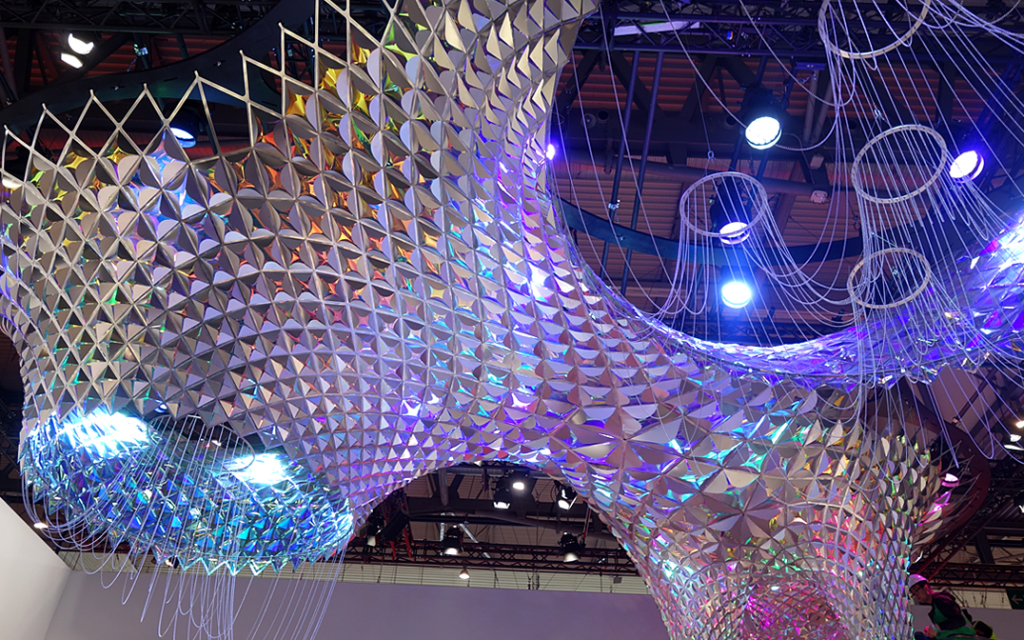
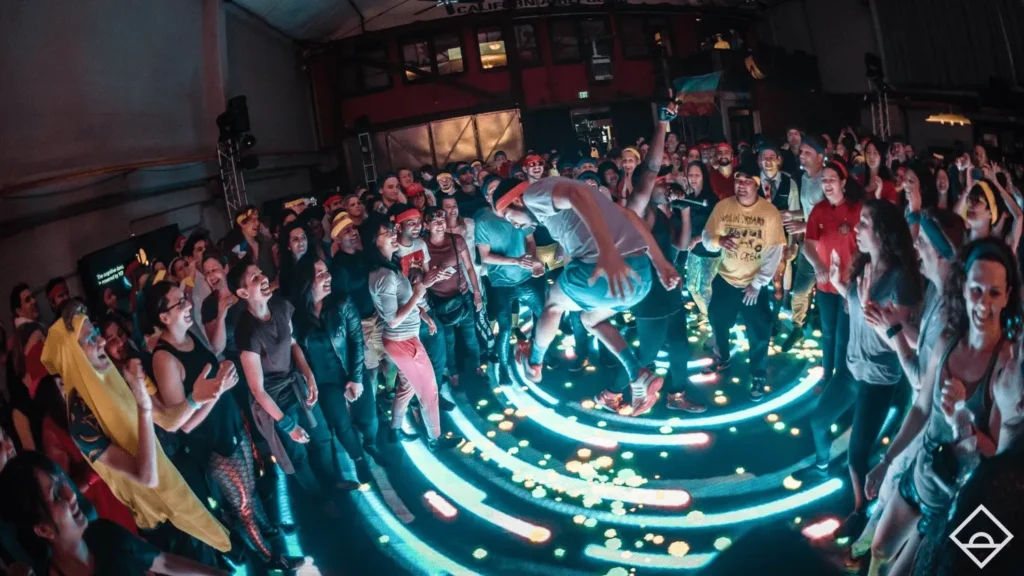
I experimented early with AI for a tech brand before it was familiar or safe. A thinking dress that went on to win multiple awards and is now on permanent display at The Henry Ford Museum of Innovation. That led to bigger questions of how to scale an idea. As a systems thinker, I helped create a living, AI-driven sculpture at Mobile World Congress imagined as the final chapter of Gaudí’s Sagrada Familia, developed alongside historians and architects devoted to preserving its legacy. That thinking evolved into a cognitive dance party that raised an AI-powered sun at dawn, responding to the movement of the crowd.

Each experience was different, but together they taught me something essential: how to translate complex technology into something people could feel, participate in, and remember. I wasn’t chasing awards or trends. I was following curiosity and in doing so, I created some of the work I’m still most proud of.

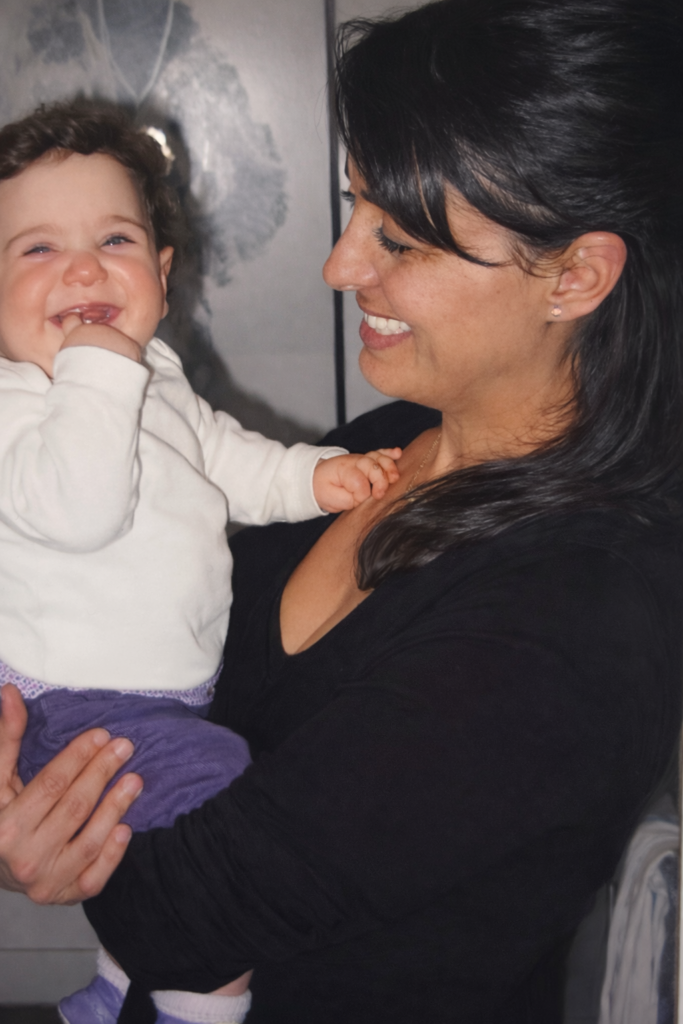
Through all this, my then husband and I adopted a baby from Armenia, the home of my ancestors.

me and elle. 1YRLX09 - NERD Blog - Motherland in Adland: Intuition – A Way Forward

I didn’t have a strategy for how motherhood would fit into my career. I just knew I wasn’t willing to disappear. At that time, many women were encouraged to “just take a break.” I didn’t have that option. There was no adoption policy. No paid time off because I hadn’t physically given birth. No health insurance for my family. I was terrified.

Once again, I let my intuition lead.

Everything about that moment required trust. Trust in myself, trust in my voice, trust that doing the right thing would matter even if it wasn’t easy. HR offered no solutions. Either take unpaid leave or quit was the advice. They assumed I wouldn’t return.

That was when I understood something clearly for the first time:
intuition wasn’t just how I made decisions.
It was my way forward.

My intuition told me this wasn’t fair and that staying silent would only reinforce it. When I finally spoke up, voice shaking and palms sweating, my creative leader, Andy, responded in a way I hadn’t expected. He didn’t just help me in that moment; he changed the policy to include all adopted children, setting a precedent for those who came after. It was bold and kind and I am forever grateful to him for this. It reminded me that progress often begins by listening inward and that speaking up can create change far beyond yourself. 

After I returned to work a few years later, life shifted again. 

Divorce. Single motherhood. 

No shared logistics or emotional load. Just me and an extraordinary nanny who became a second mother to my daughter. Together, we found a rhythm. It wasn’t perfect but what part of motherhood is? 

There were nights I brought my daughter into late edits and weekend sessions. She sat under my desk with a blanket, a bag of Polly Pockets, sometimes watching ‘Little Bear’ on her iPad. She was quiet. She was safe. She was with me.

Someone reported me to HR.
I kept doing it anyway.

Children don’t learn resilience from perfection. They learn it from presence. My daughter saw what I did. She understood the responsibility of being there. She listened to conversations and debates she didn’t fully understand at the time, but they stayed with her. Those moments informed how she thinks, how she listens, and who she is today.

Around that same time, I raised my hand for a newly acquired brand no one else wanted. Period products. An Incontinence brand. What I used to shorthand as “everything below the belt.” I worried it might derail my career. Instead of avoiding discomfort, I chose to face it, and built a team that felt the same, bringing deeply stigmatized categories into the open with honesty, empathy, and boldness.

I brought my daughter into that mission with me. She stood beside us as we spoke openly about bodies and cycles, about something half the world experiences and too often learns to hide. There was pride in that moment. And a quiet sense of rightness.Years later, that work still echoes through the industry. It challenged norms and made people uncomfortable in the ways that matter.

2. at event for - NERD Blog - Motherland in Adland: Intuition – A Way Forward

In parallel, I kept growing too. Intuitively, I knew that chapter was complete not because something was broken, but because something else was calling.

After 15 years at the same agency, that calling led me into experiential work as a chief creative officer. Live experiences. Super Bowl moments. Music. Immersive brand worlds. I moved into a sunlit office in Tribeca and thought, I made it. It felt like a scene from ‘Working Girl’.

“I moved into a sunlit office, I made it. It felt like a scene from ‘Working Girl’. Two months later, the world shut down.”

Two months later, the world shut down. It was February 2020. Covid hit

Live experiences disappeared overnight. We pivoted to digital, rebuilding in real time and learning faster than ever. It was devastating and transformative.

By the end of 2021, the holding company decided live experiences were no longer essential. And set to dissolve the experiential company. I had to carry out massive layoffs for people I had never even met. The energy shifted. I felt horrible. I was offered a role at another of their agencies, but my gut told me it wasn’t right. While safe and familiar, it was misaligned.

Then, exactly at this time, a call came from a colleague from years ago. 

“I need you. You’re the only one who can do this.”

It wasn’t about rescuing something broken or stepping into familiarity. It was an invitation to build, this time from the inside. To move in-house to expand an in-house agency. I felt excited because it was unknown. It gave me the chance to bring everything I’d learned about creativity, leadership, and integration into a place where I could be involved early in shaping the product itself, not just the marketing output. It was like a billion-dollar startup, fast-moving, ambitious, and new territory for me that made it both daunting and energizing.

When I stepped into the role of head of creative at an in-house agency, I arrived confident and was quickly humbled. I didn’t know what I didn’t know and the best advice came from one of the marketing leads Kait, “Listen to learn not to solve the problem alone”. I took it to heart, because it was the opposite of the agency world I’d come from where we were hired to solve the marketing brief immediately.

Creativity expanded again. I learned how to create demand for something that didn’t yet exist, how to build social currency before launch, and how to sell products out in weeks. For the first time, I felt a different kind of pride, standing in Target, seeing something tangible on the shelf, knowing it existed because of decisions we made early and with care of the consumer.

And then came a harder truth. The role soon required super-commuting between New York and Boston three-four days a week. At that moment in my life, when my daughter needed steadiness more, I knew it wasn’t sustainable. Letting go wasn’t easy. There are still moments I wonder if it was the right choice. But at the time it was.

Some people choose to stay in one type of place and hone one craft. I respect that deeply.
I’ve always preferred to explore.

Joan Didion once wrote, “I’ve already lost touch with a couple of people I used to be.”
I understand that now.

“I’ve already lost touch with a couple of people I used to be.” — Joan Didion

Today, I work directly with brands as a Fractional Chief Creative and Brand strategy Partner. I build creative strategy through execution, partnering with CMOs, marketing leads and teams to create work that works.

So how do I measure success?

Not by titles.
Not by popularity or awards.
Not even by money, although money doesn’t hurt.

Success, for me, has always been doing what feels right. Now that my daughter is in college, I have more freedom and deep gratitude for how far we’ve come. When you lead with integrity and choose care over fear, goodness follows. Opportunities follow, sometimes slowly, sometimes in unexpected forms. And once I learned to trust my intuition fully, it became my clearest way forward. 
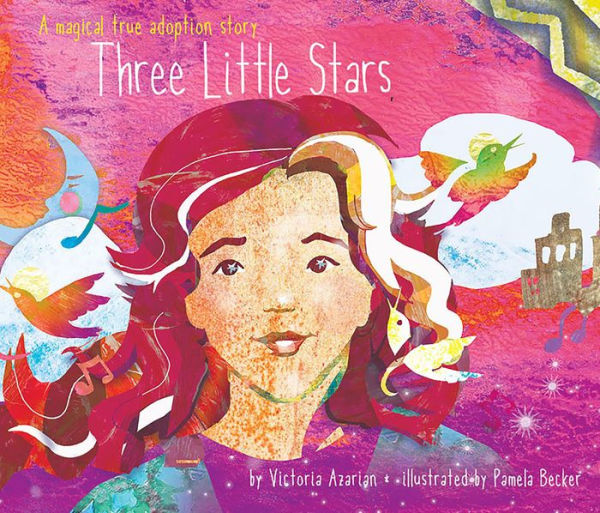
For a story about my adoption journey ‘Three Little Stars’ Available on Amazon.

Three Little stars.OTiNqNjF - NERD Blog - Motherland in Adland: Intuition – A Way Forward

She Built the Room. HER Vision. HER Voice. featuring Milana Karaica

Milana March Feature 14 - NERD Blog - She Built the Room. HER Vision. HER Voice. featuring Milana Karaica

“If the room doesn’t exist, build it.”

That belief sits at the heart of NERD Productions and the woman who founded it, Milana Karaica. In an industry that often struggled to reflect the diversity of the world it was speaking to, Milana set out to create something different: a space where creativity is shaped by many voices, backgrounds, and experiences.

Over the years, NERD has grown into more than a production company. It has become a community, a support system, and a platform for artists who might not have otherwise been given the opportunity to be seen or heard.Through HER Vision, HER Voice, and HER Future, Milana Karaica reflects on the beginnings of NERD, the values that shaped it, and the legacy she hopes to leave for the generations that will follow.

Part I: HER History

1. Before starting NERD Productions, what was the gap you saw that others weren’t acknowledging in the industry and thus gave you the idea to create NERD? What did you experience personally that made you want to build something different?

I think having grown up in advertising, it was a real eye opener that we live in such a multicultural and diverse city. It’s one of the most diverse cities in the world, yet the advertising industry was the least diverse thing that I’d ever experienced. People generally tend to come from the same social and economic backgrounds, same ethnicity, same experiences, which doesn’t make for a very healthy or very interesting storytelling. If we all align and have the same thinking, it’s very difficult to craft something that is extraordinary or stands out or has a wide appeal. And since we’re advertisers and need to be talking to a range of audiences on an authentic level globally, it never really made sense in my eyes that the industry was that way. 

If you come from a different background, ethnicity, or sexual orientation, anybody that didn’t fit those stereotypes, it’s very difficult to break into the industry. The doors would simply close before they’ll even manage to set their foot in. 

For me, starting NERD was something quite revolutionary – I wanted to create a space where opportunities were open for everyone, regardless of your circumstances, your background. I wanted a workplace where people feel safe going into work, where they feel that they can come in and just be their actual selves. I wanted to create that space, but I also wanted to bring a diverse experience and diverse storytelling and techniques to the table. I think that’s when craft really wins – where we can make things that stem from experiences all over the world. And you know, that’s also something that feels very London to me. It feels very fresh and unique. Years later, after having built NERD, we are continuously working on how we present ourselves and being forward thinking, trying to stay relevant as much as we can by constantly asking ourselves questions like “What is the future going to be like? Who do we need to talk to now? What’s next?” It never really stops. I think having been here for just over nine years – ten years this August – it feels like just by being ourselves, we’re doing something right.

Milana March Feature 13 - NERD Blog - She Built the Room. HER Vision. HER Voice. featuring Milana Karaica
2. How do you build something that doesn’t just survive, but shifts culture?

Just by being my authentic self. You know, for me, as the mama hen of NERD, I think it’s always really important to just encourage everybody as much as I can to be themselves, to be authentic, and to be open. It’s also about being inclusive and tolerant. I think when you attract a group of people from many different beliefs and backgrounds, you also have to employ this kind of feeling of safety but tolerance towards other people’s beliefs and know how they feel because it might be the complete polar opposite of the scale. 

At NERD, we’re here to open each others’ minds and teach each other, and work in collaboration. We’re always crafting and creating, and I think it’s important for us to build strong bonds and support each other and really elevate one another so I do my best that everyone at NERD feels that. There’s a lot of learning and support here. It’s almost like a little creative support group.

IG MTAD Group Photo - NERD Blog - She Built the Room. HER Vision. HER Voice. featuring Milana Karaica
3. What conversations happen internally at NERD Productions that audiences never see?

I think we have a lot of conversations – hypothetical ones. Most importantly, it’s about every project that we do and every project that comes in, it’s always kind of taking a step back and seeing how we approach each project in the best possible way. We also talk about who’s the right person for every project, how we help each person, and how we can encourage collaboration in the best ways possible.

I love bringing young talent on board too – it’s important to see how they’ll fit into the puzzle, how we can help elevate them, and how we can create more opportunities for them. I think there’s a lot of conversations that we’re always having about how to improve and how to push boundaries further.

Milana March Feature 4 - NERD Blog - She Built the Room. HER Vision. HER Voice. featuring Milana Karaica
4. How do you create systems that support women and underrepresented creatives long-term, not just for one campaign? What policies or internal practices you’ve built at NERD are you most proud of?

At NERD, we don’t really have any policies outlined where people need to tick boxes when there’s a project. When we want to do something and we want to do it with meaning, things have to come from the heart and not from a piece of paper.

Milana March Feature 13 - NERD Blog - She Built the Room. HER Vision. HER Voice. featuring Milana Karaica
5. What conversations in the industry are still uncomfortable but necessary?

Well, I think cultural shifts are the one thing that always affects us massively. For example, when we had the #MeToo and #BlackLivesMatter movements, you would not believe the amount of outreach that we had for underrepresented artists, directors, and illustrations – especially women and black people. 

I think since the rise of the Trump administration, the tables have shifted again and anybody who’s a minority, queer, or a woman are being pushed and sidelined. It’s shocking how in 10 years we were able to gain so much progress but now we’re back to zero. That’s why it’s important for us to keep pushing these conversations because there are partners, agencies, and brands who are very much interested in promoting equality and diversity, especially for the talent that they use in these projects.

It’s always difficult having those conversations openly, honestly, and transparently, but it’s important that we do have them so that we don’t forget and don’t end up making the same mistakes again. There’s a reason we had those movements. We don’t want to be in a situation where progress was something that only happened for a few years and then it’s gone. I think it’s important for us to just keep pushing.

WhatsApp Image 2024 11 10 at 08.59.35 - NERD Blog - She Built the Room. HER Vision. HER Voice. featuring Milana Karaica

Part II: HER Voice

1. Has becoming a mother changed the way you define success? What emotions did motherhood unlock that now influence how you lead? How has motherhood softened or sharpened your leadership skills?

I think that’s a tricky question, actually. It’s definitely changed so many things for me personally and professionally, because I think being a mother kind of gives you a new perspective and outlook on life about things that really matter and things that are really important and why.

I’ve always had a great deal of empathy. But I think being a mother has unlocked another layer of that in me. Especially since, it feels like I always try to be fair in any situation. 

It’s definitely sharpened some of my leadership skills in the sense of that I’ve learned to prioritize things that are of actual importance. I also think that sometimes I take things too seriously, and motherhood has been the thing that’s kind of given me a little bit of a shake and just be like “You know what you don’t have to take yourself so seriously! There are other things that are way more important than whatever this incident is that you’re thinking about.” Motherhood has definitely given me a wider scope and understanding on my priorities as a mother and as a leader.

WhatsApp Image 2023 01 13 at 06.04.44 3 - NERD Blog - She Built the Room. HER Vision. HER Voice. featuring Milana Karaica
2.  What do you want your children to understand about who you are, beyond your work? 

I think the one thing that my children do see a lot of is how much at NERD we all support each other and help one another flourish. There’s a lot of chats and conversations and debates that they’re exposed to, I think that’s a really nice environment for children to see that work doesn’t have to be work and that there’s like a strict separation – that if you do something that you love with the people who enjoy it, it can really be fun and something that you feel is a part of you.

I think my children do see that my work is a part of our lives very much because you know my whole family is kind of entangled into what I do. They see their dad endlessly supporting me and the work that I do, and I would really love that for them because I think there’s no reason why you can’t enjoy your job and the people that you work with.

WhatsApp Image 2023 01 13 at 06.04.43 1 - NERD Blog - She Built the Room. HER Vision. HER Voice. featuring Milana Karaica
3. Do you feel the industry allows women to be both powerful and maternal without penalty?

Absolutely not. I think that is the one thing that remains and that’s really sad.

In this industry, women are almost forced out at a certain age because once you have your first child, then god forbid you have the second one. Then, you have to take time out on moments when the kids are sick, when the family needs you. I mean, it’s just not physically possible to be 110%  in being both a mother and working on your career.

However, this is why NERD exists and why I started NERD. To create safer spaces for women. We just need to keep pushing for us to see more progress and more support for women in this industry.

466166606 9385310844816504 9109060964554054621 n - NERD Blog - She Built the Room. HER Vision. HER Voice. featuring Milana Karaica
4. Is there a side of you the industry doesn’t get to see?

I wouldn’t say so. I think you really have to lead by example. So I think with me, it’s like what you see is what you get and I feel like it has to be that way. If I’m expecting people to present themselves as themselves, then I think I’ve got to be that way too. The good, the bad, the sweet and the ugly – all of it. Because that is what makes us human. And that’s what makes us different and unique to one another. And I’d like to believe that all my NERDs are like that, that we’re all such different creatures.

5. What fears do you still carry, even at this stage of your career?

I think fear of failure is the one thing that still holds me back even now. I think it’s normal for us to have those late night thoughts of like “Oh my god, what if all of this goes away one day” and that feels really scary. And I still get those thoughts even years later. But I think apart from that, I’m learning to accept that everything in life comes and goes, changes, shifts, and evolves.

514399385 10071297659572347 8758268676064467389 n - NERD Blog - She Built the Room. HER Vision. HER Voice. featuring Milana Karaica

Part III: HER Vision

1. What does the next chapter of NERD look like? Where is the company heading culturally?

I think for us, it’s being mindful of the many things that affect our company, especially things that focus on inclusivity and diversity. It’s always good to stay aware of what the cultural and political shifts are because those things directly affect NERD and the talent that we represent. We just have to shape, evolve, and shift ourselves accordingly.

2. What legacy systems are you building for people who will lead after you?

I think that’s something that has to come naturally. I think that my passions and desires might not exactly be the same as the next person who leads NERD. I think there has to be room to kind of shift and change with the new generations. 

Obviously, if you’re already at NERD, you somewhat align with NERD’s ethos and our passions and advocacies. I think leadership is about looking inside yourself and asking yourself things like “What do I stand for? What do we stand for?” and then pursuing that. It has to be a fluid thing and that can’t always be a concrete answer. I think everybody’s passions and desires are very different. Sometimes we’ll align on some things and that’s okay.

I think NERD will have to grow with the people that lead it. As we grow, we will change and shift, we will learn new things and uncover new things we’re passionate about.  Sometimes, those things can also get sidelined and something else becomes more important in that moment of time. My hope is that there won’t be such a challenging future for the people that will lead NERD after me. But if we do, I hope that they have it in their heart to recognise what is needed in the moment and to push against any barriers they encounter.

WhatsApp Image 2022 03 07 at 10.32.38 - NERD Blog - She Built the Room. HER Vision. HER Voice. featuring Milana Karaica
3. If you could give one piece of advice to the version of you who was just starting out, what would it be?

Not to take things so seriously, including myself. I think I do take things to heart very much, especially in the past. I feel like I had to fight everybody’s battles. That’s an overwhelming, unrealistic task to take on and put on yourself. I’m very much guilty of that. So I think it’s important to just learn how to walk before you can run.

4. What conversations are just beginning that will define the next decade?

I don’t know about that one. I think we’re in a strange place where the world is very ugly at the moment. And, you know, there’s so many yucky things happening. I think it’s very difficult to kind of see through that right now. And I think it is time just to kind of stop, see what we can do personally and how we can personally contribute to make society a better place and make our industry a better place. That’s all that we’re in control of right now, really. I think everything else at the moment feels so uncertain otherwise so it’s really difficult to give a concrete answer for that.

WhatsApp Image 2023 07 04 at 22.43.51 - NERD Blog - She Built the Room. HER Vision. HER Voice. featuring Milana Karaica
5. When everything you’re building outlives you, what do you hope remains?

Kindness. That’s the one thing that I feel is at my core. I hope that one day when I’m retired and you guys are running NERD, and it’s doing its own thing and its shifted and changed with the times that there are people that will kind of be like, “Oh, I remember Milana. She was so quirky and like, you know, she pushed for me when no one else did.” 

I like the idea of being in people’s corner. I think I’ve been very fortunate to have my family, my partner, and my close friends because they were in my corner against all odds – you know, we made it and we’re here. 

It’s nice to be able to be that person for others when no one else is.

Milana March Feature 2 - NERD Blog - She Built the Room. HER Vision. HER Voice. featuring Milana Karaica

Building NERD was never just about starting a company. It was about creating a culture where people could show up as their full selves, where creativity could thrive through collaboration, and where the doors of the industry could open a little wider for those who had long stood outside them.

As Milana looks toward the future, her hopes remain grounded in the same values that started it all: curiosity, courage, and kindness.See more from Milana Karaica and NERD Productions on nerd.productions

HOW POP CULTURE & NEW YORK SHAPED AMANDA LANZONE’S WORK

headshot111 - NERD Blog - HOW POP CULTURE & NEW YORK SHAPED AMANDA LANZONE’S WORK

NERD Productions award-winning illustrator Amanda Lanzone is renowned for her vibrant and playful visual style. Her work combines art and pop culture together creating images that not only feel original but represent the zeitgeist. She has created art for brands such as Universal Music Group, Converse, The New York Times, The New Yorker, Vice Media, Cosmopolitan. Providing her distinctive style to some of the most renowned brands on the planet. 

We recently caught up with Amanda to discuss her creative process and how pop culture influences her art style and how growing up in the Big Apple influences her work.

New York is an incredible place for creativity and a hive for pop culture. How much do you think growing up there has influenced not only your work but how you approach art in general?

I think growing up in New York has influenced me in countless ways, and that definitely includes my art. Having access to so many things my whole life must have something to do with the way I think, and I pull from my life a lot when I create. There’s pop culture, but then there is also subculture, which is what I am into. I think it gives my approach a certain energy and honesty. I really enjoy making work about things that matter to me, that involve my personal experiences or things I think are cool/clever. You really never know where inspiration is going to strike, I see the beauty in things around me. I have definitely taken a photo of trash in the street because I liked how the colors looked next to each other, and used it for reference later.

AmandaImageFive - NERD Blog - HOW POP CULTURE & NEW YORK SHAPED AMANDA LANZONE’S WORK

Inspiration can come in many different forms, could you tell us what has recently inspired you? (e.g. books, commercials, film, music, fashion).

I have an eclectic list of inspiring things I’ve been enjoying lately. I’ve been reading old manga and playing a lot of DDR. Recently, I finished restoring a dollhouse I found on the side of the road, so I’ve been inspired by old homes and things of the past and the way they used to be made. I think it’s good to work on analog activities when I need to relax, so I’ve been making crafts and practicing cursive handwriting which feels very romantic. I’ve been watching runway shows and revisiting some of my old favorite movies with gothic themes. I love extreme music. I listen to a lot of different genres of metal, rock, hardcore, and hard electronic, etc. While I have been listening to a lot of the same music since I was a teenager, I’ve recently been diving deeper into the subgenres, whether it be from 20 years ago I missed or the new bands coming out now.

AmandaImageOne - NERD Blog - HOW POP CULTURE & NEW YORK SHAPED AMANDA LANZONE’S WORK

In relation to the above question – Your work feels very pop art inspired and wondered whether the New York art scene from the 1960s such as Andy Warhol and The Factory influenced you in any way?

I am pretty nerdy about artists/art history and that time period is no exception. I can definitely say the more I learned about Andy Warhol, the more interesting the whole production became. He was truly a pioneer with a lot of range, I am always amazed at how much he has accomplished as an artist. I always wonder what it must have felt like to be an artist in New York at that time, I’d imagine it was pretty wild.

When working on a commercial brief how do you adapt your style to match with the requirements of a brand/client?

This is all about balance and each project has its own spectrum of creative freedom so it can vary each time. When someone hires you, it’s usually because they like what you do which is a good start. I try to retain my own standard and way of doing things, while also keeping in mind any guidelines or preferences of the client. Some projects have a lot of guidelines, and some have very few. Guidelines are like a fun challenge, getting a prompt and putting my own twist on it is so enjoyable to me. It’s a good way to get something truly unique. While every situation is different, I want it to be something I am proud of.

NewimageOne - NERD Blog - HOW POP CULTURE & NEW YORK SHAPED AMANDA LANZONE’S WORK

As well as an illustrator you’re also a professor at the School of Visual Arts, what’s the best advice you give to your pupils who want to make a career as artists?

I get this one a lot, and the answer might not surprise you. I know NEVER GIVE UP and FOLLOW YOUR DREAMS sound like obvious answers. It’s important to really think about your goals and working very hard really matters. It takes a lot of growing and love. Even when you start to feel uncomfortable, you need to keep going and trying. Giving up is honestly the worst thing you can do. While it’s not for the weak, it is all very possible if you care enough. I really want to encourage my students to have this mindset, it’s the mindset that made it happen for me. Everything matters, and so does believing in yourself and your work. When it’s something you really love, it’s all worth it.

To see more Amanda’s work click here

AmandaImageTwo - NERD Blog - HOW POP CULTURE & NEW YORK SHAPED AMANDA LANZONE’S WORK

And to see more from NERD Productions click here

NERD Productions Christmas and New Year’s traditions

NERDXMAS25 - NERD Blog - NERD Productions Christmas and New Year's traditions

It’s that time of the year again where the cheap tinsel comes out and Mariah Carey gets defrosted to haunt every Christmas playlist in existence. At NERD Productions we have a global roster who all spend the festive period in different ways so we wanted to cap this year out with catching up with some familiar faces to discuss Christmas and New Years traditions and memories, so grab the mince pies and mulled wine and enjoy.

ALICJA JASINA

Alicja - NERD Blog - NERD Productions Christmas and New Year's traditions

“In Poland, Christmas Eve comes with a quirky tradition: twelve dishes on the table (one for each apostle), which makes the dinner both chaotic and magical. We also always set one extra place for an unexpected guest – a stranger who might knock on the door, because no one should be alone that night. No stranger has ever appeared… but we’ve always had plenty of friends to fill the space.

Another tradition is sharing opłatek, a thin sacred wafer similar to the communion host. We break off pieces and exchange personal wishes one-on-one. It’s a surprisingly emotional ritual.

The evening is always cozy and joyful, and it inevitably ends the same way: my uncle gets tipsy, launches into family legends (including pre-war stories about my grandmother), and then grabs his guitar – he can play anything by ear. He moves from traditional carols to all kinds of songs, improvising based on who’s visiting. Last year, when my Colombian friends joined us, he made up “Spanish” lyrics that sounded convincingly Spanish… but absolutely weren’t. The guests were delighted anyway, so I guess that’s what matters.”

KULAY LABITIGAN

“We enjoy the old-school card giving. It is simple but heartfelt. My husband and I normally create and print our own bespoke illustrated Christmas cards. We set a weekend in December to sit down, reflect together, and write our Crimbo cards by hand one by one to send to our friends, family, and loved ones. It is a beautiful tradition to reflect back on the amazing year and remind us that there are just way too many things to be grateful about.”

AHMET ILTAS

“I grew up in the Freiburg–Bad Krozingen area of Germany, and every New Year’s season, the town seemed to change color overnight. The streets would light up, decorations stretched across the buildings, and enormous Christmas trees appeared in the town squares. For us kids, it all felt like a giant amusement park.

One of my strongest memories is of a small wooden hut beneath the big tree in the square. It was actually just a stall selling souvenirs, but we had declared it our secret headquarters. I remember one freezing evening when we challenged each other to touch a metal bell and see who could keep their hand on it the longest. I won, but my hand stayed frozen shut for ten minutes afterward. At that age, pride definitely outweighed pain.

We would wander through the decorated streets, past colorful windows and towering Christmas trees, carrying our hot chocolates and trying to spook each other with silly games. Even today, whenever I see New Year’s decorations, I’m taken back to that giant tree, the metal bell that nearly froze my hand off, and those winter nights when we disappeared into the fog and laughed as only children can.”

VIKTORIIA TELFER

“I am originally from Ukraine and Christmas is a little different there compared to the UK. First of all we celebrate on the night of 6th January, as my family is Orthodox. Traditionally, there should be 12 dishes on the table for the apostles, and my grandparents always prepared specific foods such as sweet barley (Kutia), fish, chicken, with the feast kicking off as the first star appeared. We also prep various Eastern European salads which we would then eat for breakfast too 🤣.

New Year’s Eve is also very important and is largely influenced by Soviet traditions rather than religion itself. One thing remains the same, though: it’s always a big feast, and everyone loves to dress up, photo proof below…

Viktorria1 - NERD Blog - NERD Productions Christmas and New Year's traditions

I have very warm memories of the holidays in Ukraine, but since moving to Scotland, I no longer celebrate Christmas on the 6th, as I’m not religious. I now fully follow the British holiday calendar and absolutely love Christmas Day on the 25th with my Scottish family. We either go out for a Christmas meal or enjoy a roast at home. One thing is certain, though, everyone is spoiled with gifts. We still write Christmas lists and make sure Santa brings a present for everyone, no matter their age or behaviour…”
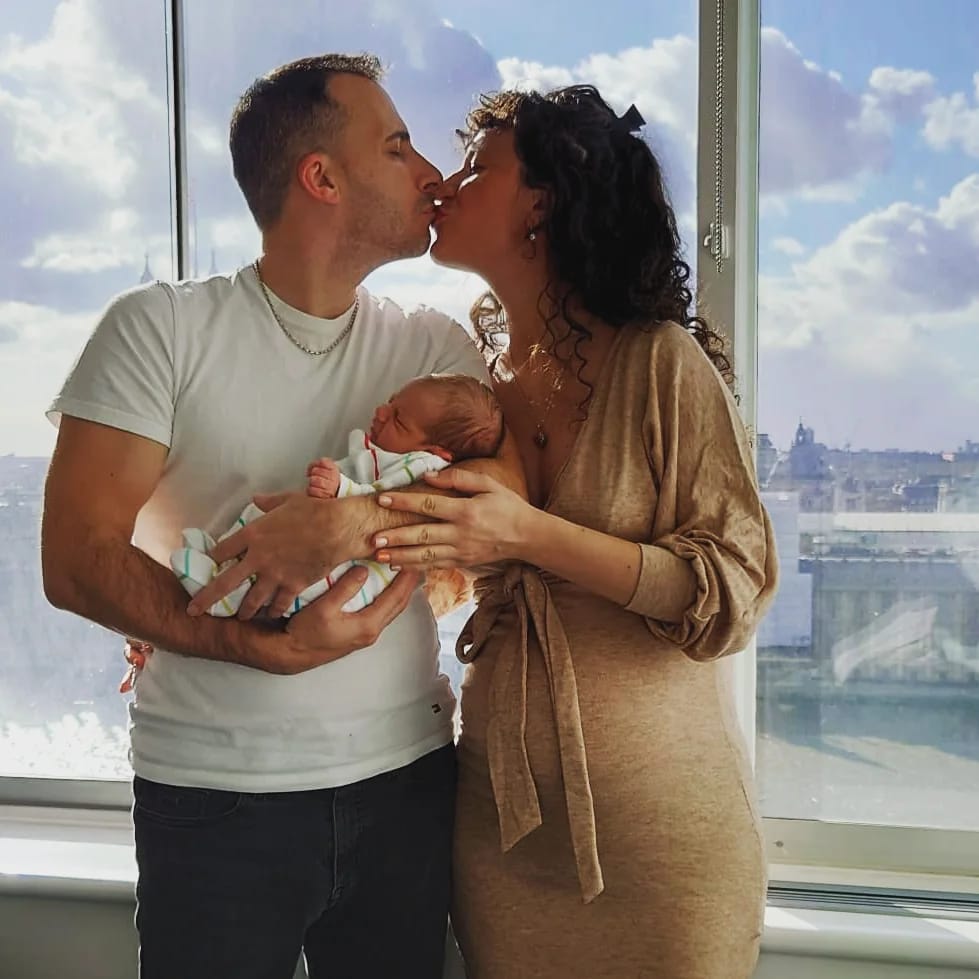
It’s been a tough year for the industry but still a great year for creativity and craft, new friendships and collaborations ! No matter how you celebrate, we wish you a Merry Christmas and Happy New Year!